The Steven Campbell Trust are delighted to announce that Ellis Bairstow – our Hunt medal winner for 2025 – has set up an exciting new gallery, project space, and studio in Glasgow for emerging artists, located at B/5 12 Washington Street, Glasgow, United Kingdom G3 8PT.
“Introducing Shift, an art platform for early career creatives and artists to make, develop, and exhibit.
Shift provides exhibition opportunities and studio residencies for artists at the early stages of their careers, supporting them as they push their practice forward.
We’ve created a space that artists can fully transform to suit their vision — a venue that adapts to them, rather than limiting what they can create.
By offering accessible, flexible exhibition space and hands-on support from a team to help you achieve your goals.
Shift aims to remove the barriers that often hold emerging artists back: restrictive venues, inconsistent opportunities, and a lack of dedicated platforms.
Shift is our next step toward making a lasting impact on Glasgow’s contemporary art scene and the voices shaping its future, building a future where artists can develop their practice and careers here in Glasgow.
Shift Gallery opens its program this Friday 21st November at 7pm-9pm with an exhibition by Fin Blue.”
Cable Management, an Exhibition by Fin Blue
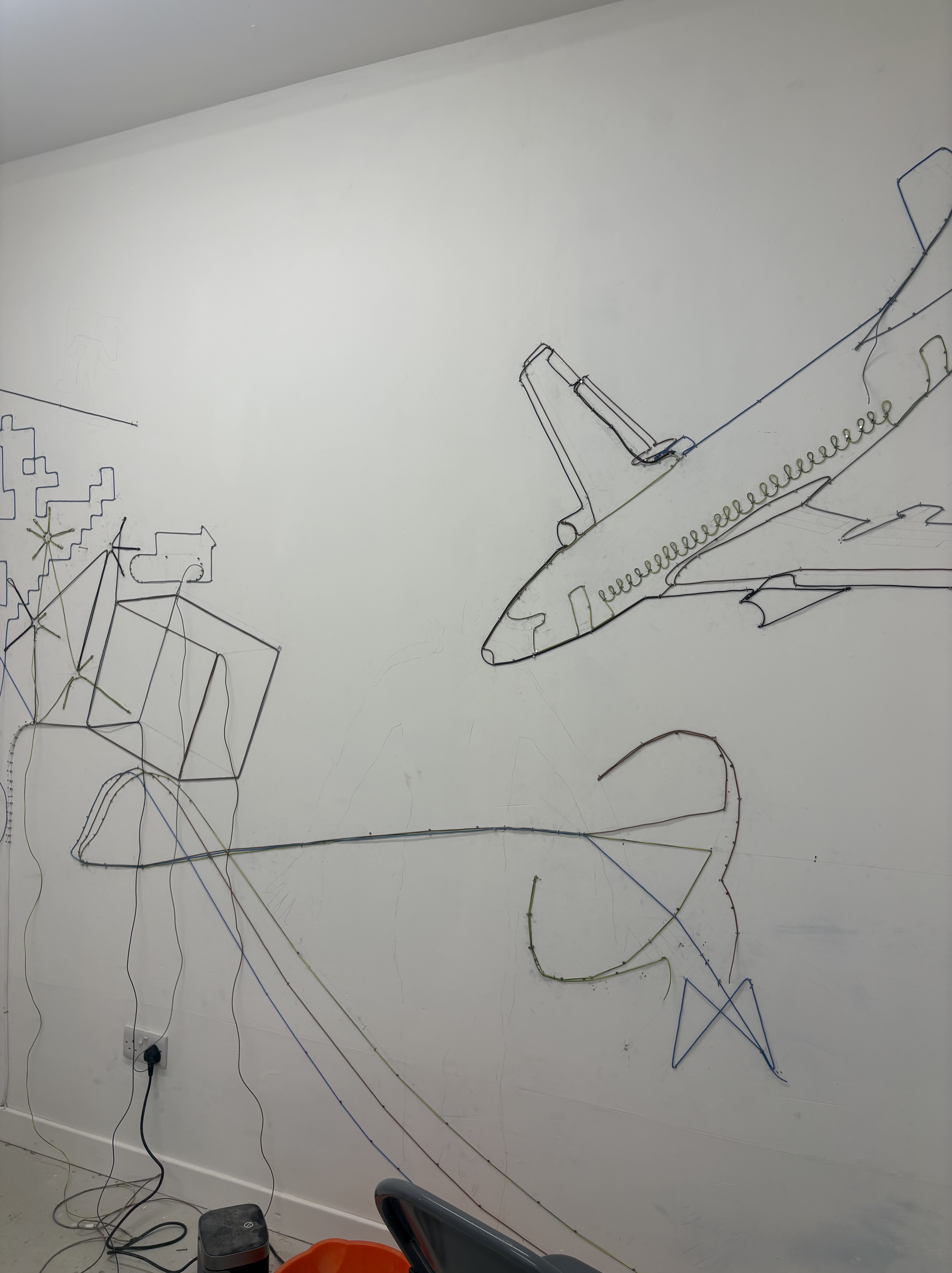
“Fin’s practice moves between digital sources, physical wandering, and the translation of experience into image. Beginning with ideas and locations gathered online, Fin shifts into a slower, more tactile process of walking and composing, considering how what he sees might be flattened, distilled, or reimagined.
In this body of work, he replaces the camera with what he calls “cable management,” drawing from the linear language of maps, diagrams, and graphs. These structures, designed to clarify information become visual material in their own right. By placing the recognisable tangle of cables in dialogue with the ordered logic of these diagrams, Fin invites viewers to consider how data becomes image, and how the systems surrounding us can be represented within the gallery space.
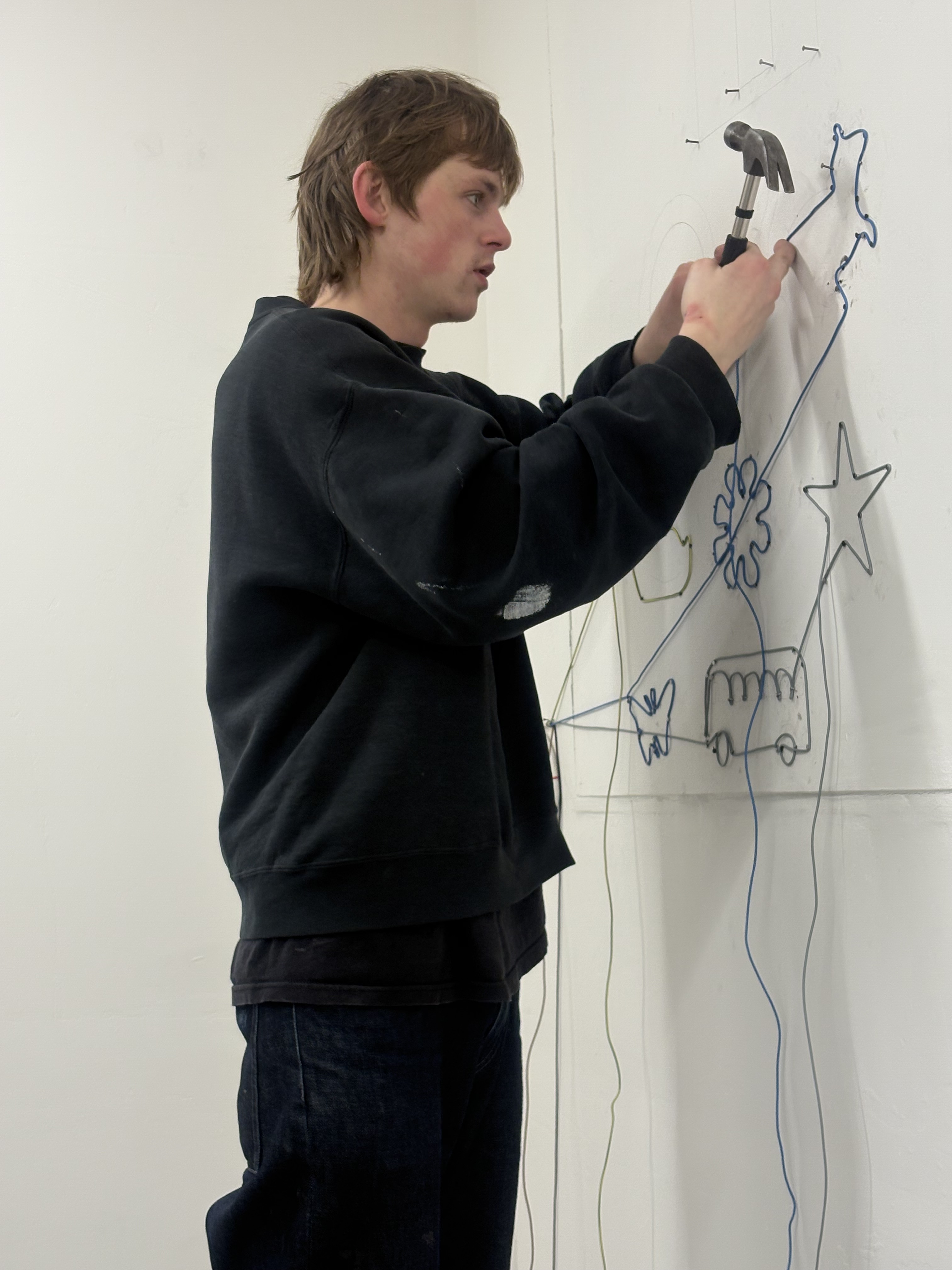
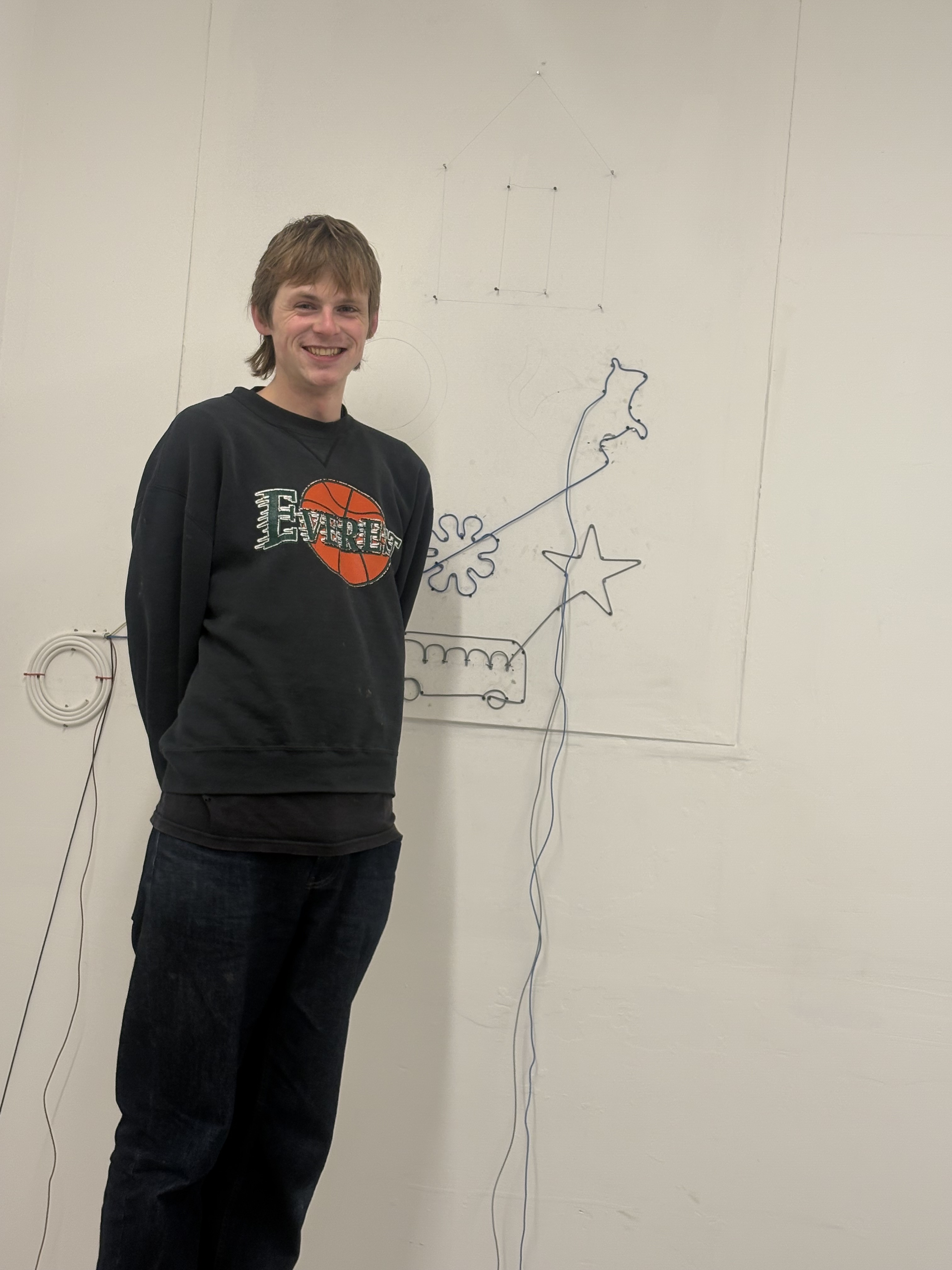
Fin Blue installing his exhibition Cable Management, now on at Shift, Regular Opening 22nd November – 5th December 11am-4pm (Subject to change)
The Steven Campbell Trust were honoured to gain a sneak preview of Cable Management today – and we very much enjoyed meeting Fin as he installed his work in this brilliant new Glasgow exhibition venue.
Fin Blue installing his exhibition Cable Management, now on at Shift, Regular Opening 22nd November – 5th December 11am-4pm (Subject to change)
We at the Steven Campbell Trust wish Fin, Ellis, and everyone else involved in Shift the best of luck with their exciting new venture.
Ellis Bairstow at his Glasgow School of Art Degree show. Ellis, the founder of Shift, was the winner of the 2025 Steven Campbell Trust Medal for Poetic Creativity
Steven Campbell had a wide knowledge and understanding of the history of art and literature, and he combined this knowledge with a cutting-edge approach to making work. He was interested in the large scale, monumental figure painting of the past, and his work bridges the gulf between what is seen as a traditional way of producing art, to something more knowing and conceptual. Campbell’s use and referencing of traditional figure painting is in fact typical of what we would call a ‘postmodern’ approach, where elements from the past history of art are referenced in a contemporary art work, often in a very self-aware and ironic fashion.
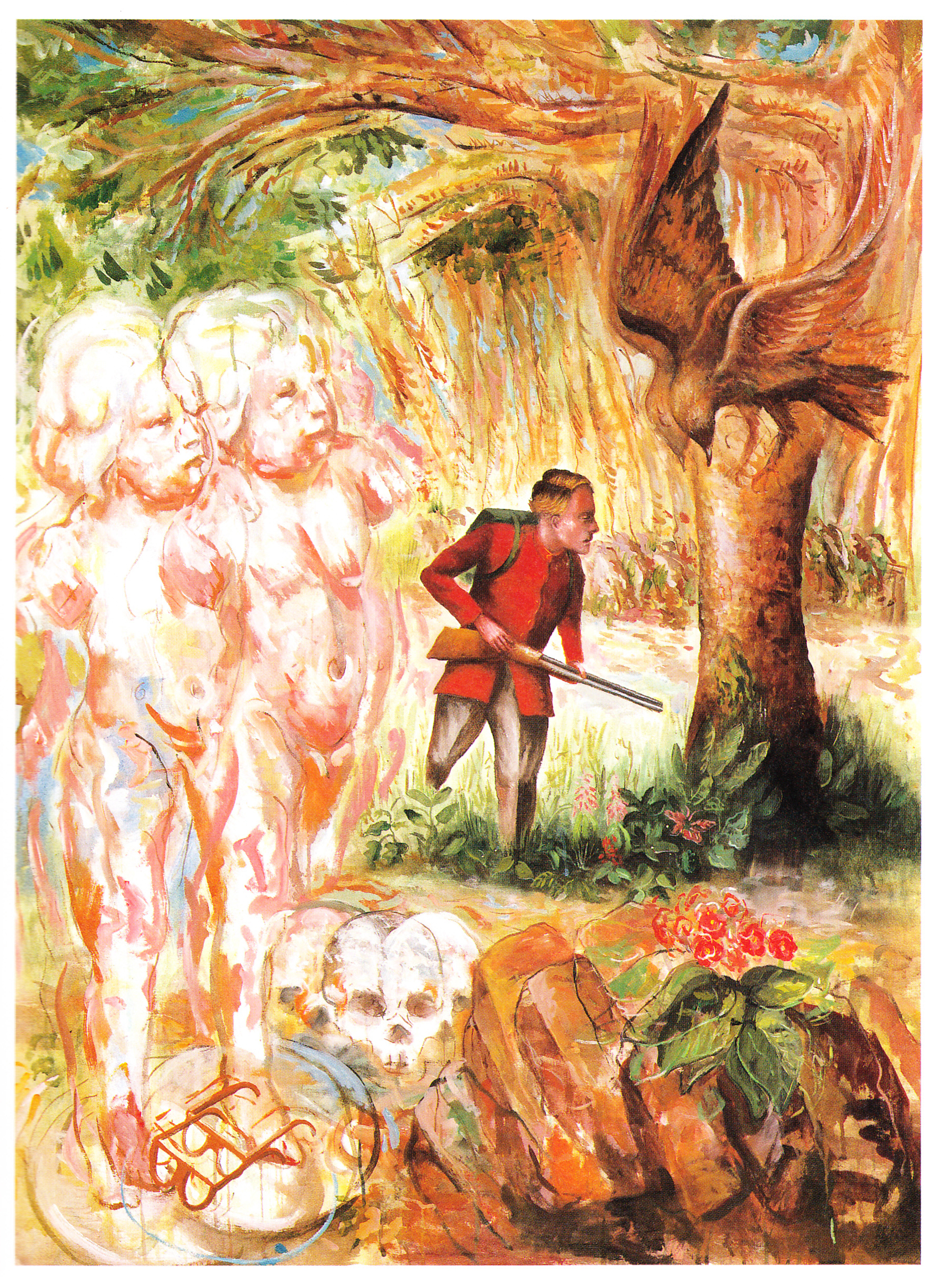
Steven Campbell, Hunter Looking for his Glasses
Campbell’s work shows an affection for figurative painting, whilst also acknowledging its often absurd rigidity and pomposity. This can be seen in his piece HunterLooking for his Glasses (above). In this painting, you can see the character of the hunter: a slightly sinister man with a game bag and a gun who’s stalking his way through the painted landscape. Like the detective in Poised Murder (discussed in a previous blog entry), the hunter character seems to be at a bit of a loss. As the title implies, he’s misplaced his glasses, and so stumbles around with double vision, on a quest to try and rediscover his sight. [1]
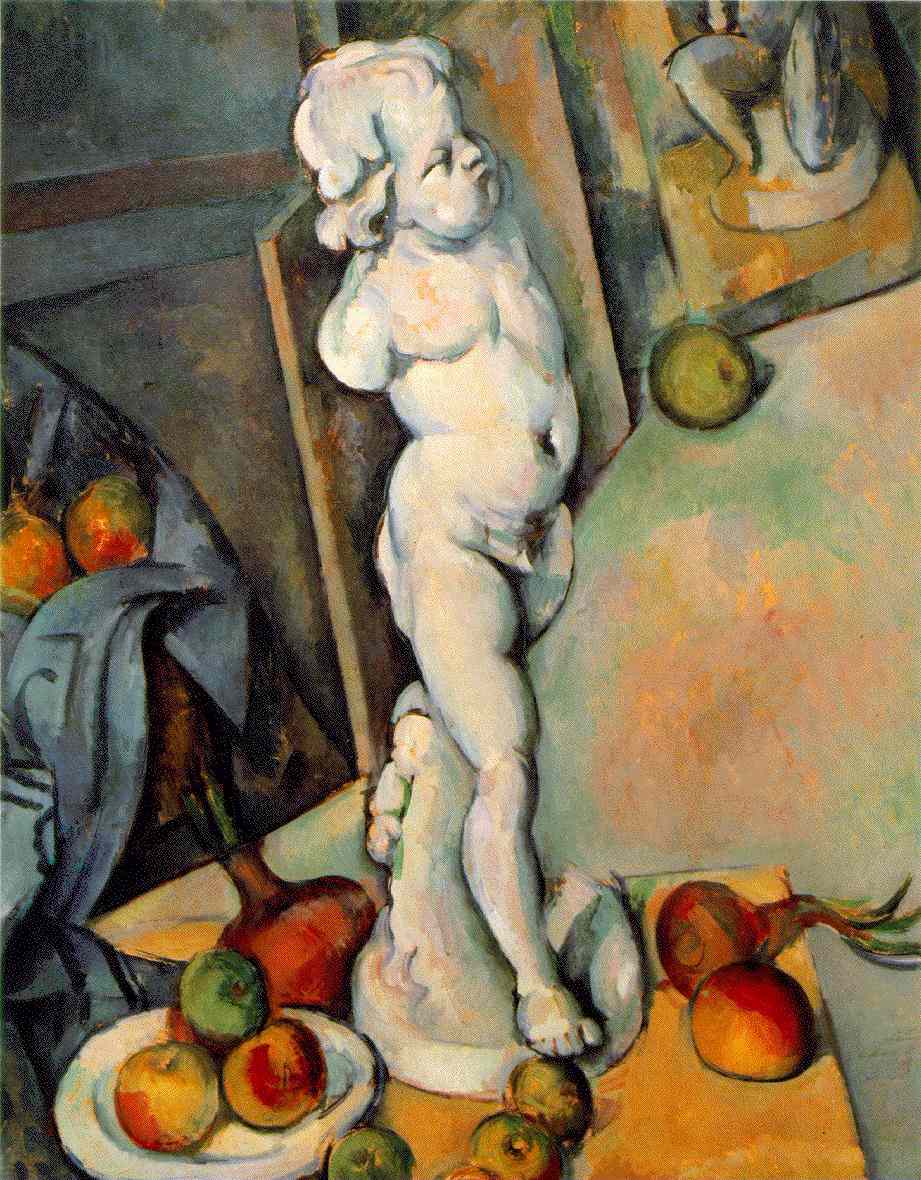
In the foreground of the painting is the cupid from Cezanne’s 1908 Still-Life with Cupid, which you can see in its original form below.
By including this cupid, Campbell’s poking fun at both himself and other artists who attempt to reference the history of ‘great art’ – hunting blindly, like the myopic hunter character here, for some sort of meaning, with the result that they often get lost.
Campbell’s work goes far beyond any debate about contemporary art and representation, however. In an interview, Steven said: ‘I think I became less interested in art, conceptual versus figurative, that kind of thing, and I became more interested in thinking about why things are the way they are.’ [2] In an upcoming post, we aim to discuss this quote, and Steven Campbell’s interest in levels of painted reality.
Footnotes:
[1] – p.16 & 59 / The Paintings of Steven Campbell: The Story So Far/ by Duncan MacMillan/ Publisher: South London Gallery/ Date Published: 1993
[2] p.108 – The Artist in Conversation/ Steven Campbell describes his recent paintings in conversation with Duncan Macmillan, Bollochleam, Wednesday 10 March 1993 / The Paintings of Steven Campbell: The Story So Far/ by Duncan MacMillan/ Publisher: South London Gallery/ Date Published: 1993
A major source used in this blog post was The Paintings of Steven Campbell: The Story So Far/ by Duncan MacMillan/ Publisher: South London Gallery/ Date Published: 1993 (p.12, 16, 59, & 108). If you’re wanting to find out more about the work of Steven Campbell, we would highly recommend getting this Duncan MacMillan book, which looks at Campbell’s work in a great deal of depth.
Campbell (1953-2007) was a prolific painter ‘who placed performance and symbolism at the heart of everything he created’ [1], and whose imaginative work enhanced the reputation of Scottish art and culture on the international stage. He was interested in the ‘fictional structures of art’ [2], and was inspired by a wide range of things: from historical events and eras, to performance, literature, film and poetry – and he used the painted figure as a means to express his curiosity about all of this.
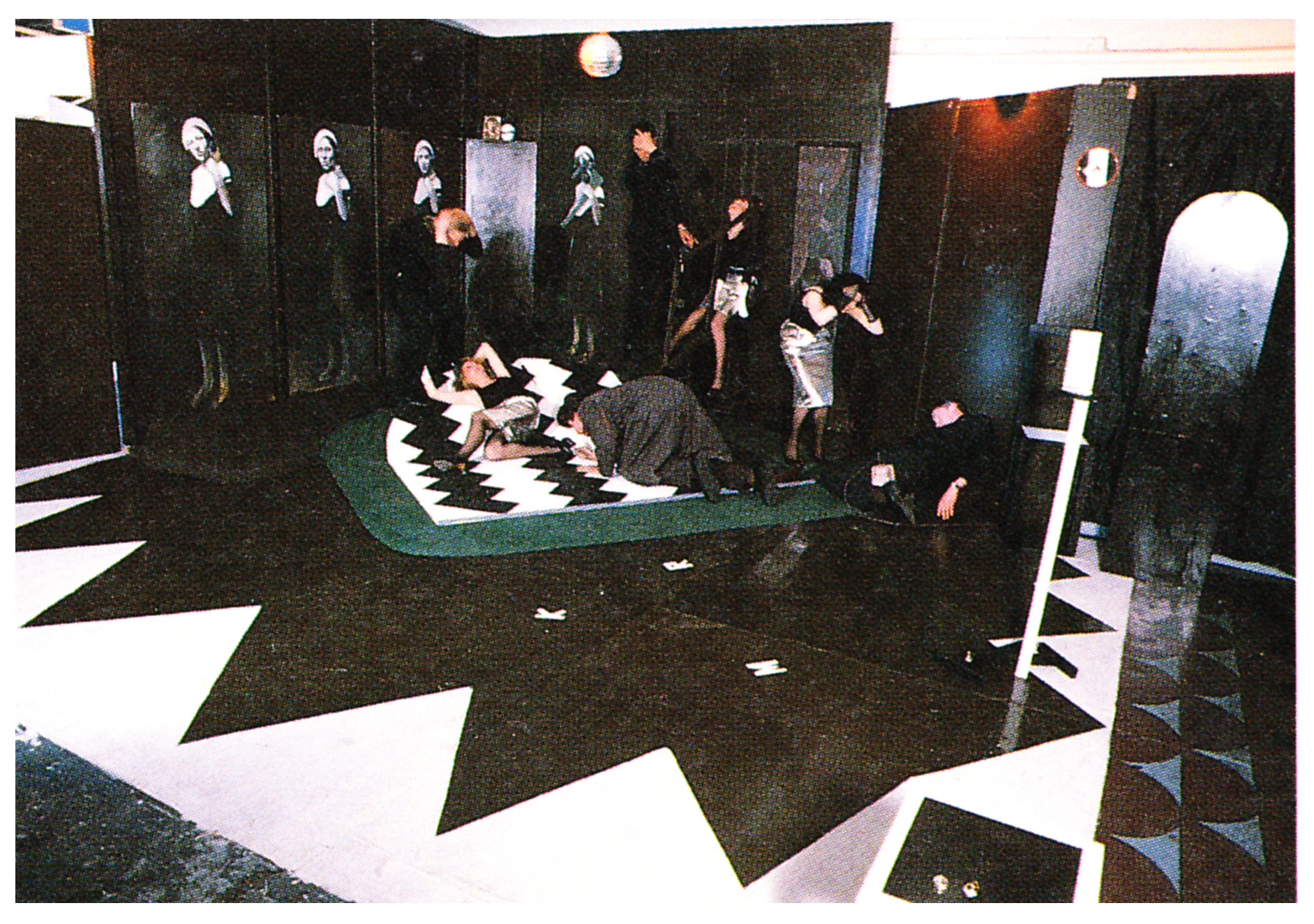
Steven Campbell, Poised Murder
Since his time at the Glasgow School of Art, Campbell was deeply fascinated by the figure. One of the first ways he approached this, was through performance. Above is a photograph taken in 1981 of a performance called Poised Murder, in which Campbell created an artificial and stylized environment, based on the glamorous aesthetic of black and white Hollywood movies in the nineteen thirties and forties [3]. The actors in the performance dressed in clothes of this era: the men wearing black polo necks, medallions and Brylcreem in their hair; the women in silver skirts, fishnet tights and high heels.
The performance lasted 15 minutes, and the actors adopted murderous poses in time with music. In the middle of the scene, a detective crawled around on all fours, trying to solve the murders as they were taking place. You can see here that Campbell was interested in fiction, in theatrical actions and gestures – in danger and murder – and in creating characters that attempted to solve, often completely unsolvable, mysteries.
This interest in performance and theatricality continued on into Campbell’s paintings: his work becoming a stage where characters could inhabit an unreal world of painted scenery. As in his ‘Poised Murder’ performance, the figures that populate Campbell’s paintings adopt exaggerate poses, fixed in the centre of compositions that have their own mysterious, bizarre and self-contained narratives.
The detective crawling around on all fours in Poised Murder, transformed into other characters that he would use in his paintings: characters that are detectives, hikers, hunters and travellers, and are comparable to artists in the sense that they’re always searching or hunting for something, attempting to discover and unravel some sort of truth. Campbell liked to explore the role of the artist as detective, but like the detective in Poised Murder – crawling pointlessly around searching for clues and uncovering nothing while murders take place all around him – Campbell was very much aware of the often ridiculous, comedic and futile nature of such a grand search for truth. The predicaments his characters find themselves in in his work, reflects this.
During his final year at the Glasgow School of Art, Campbell created a character called ‘Hunt’, inspired by a 1940s-style murder magazine [4]. Hunt is a very shady, ambiguous character, whose personality seems to be in a constant state of flux. The painting Third Fire Today shows Hunt standing on the edge of looting and violence, and we’re unsure whether he’s been participating or not. He’s dressed in a brown shirt – the uniform of a Nazi foot soldier. He’s also got a Hitler-style haircut, and we’re unsure what terrible crimes he may or may not have committed.
Hunt, as a character, seems to represent the temptation of evil. The writer Duncan Macmillan describes him as a sort of Doppelganger, ‘a personification of the hidden dark side that exists in all of us’ [5]. Hunt isn’t entirely evil, however, and he’s not a straightforward villain: he’s just a very impressionable character who gets drawn into bad things. In this sense, this makes him far easier to relate to. Hunt makes us consider what we’d be capable of in certain circumstances, and the potential for wrongdoing that exists in all of us.
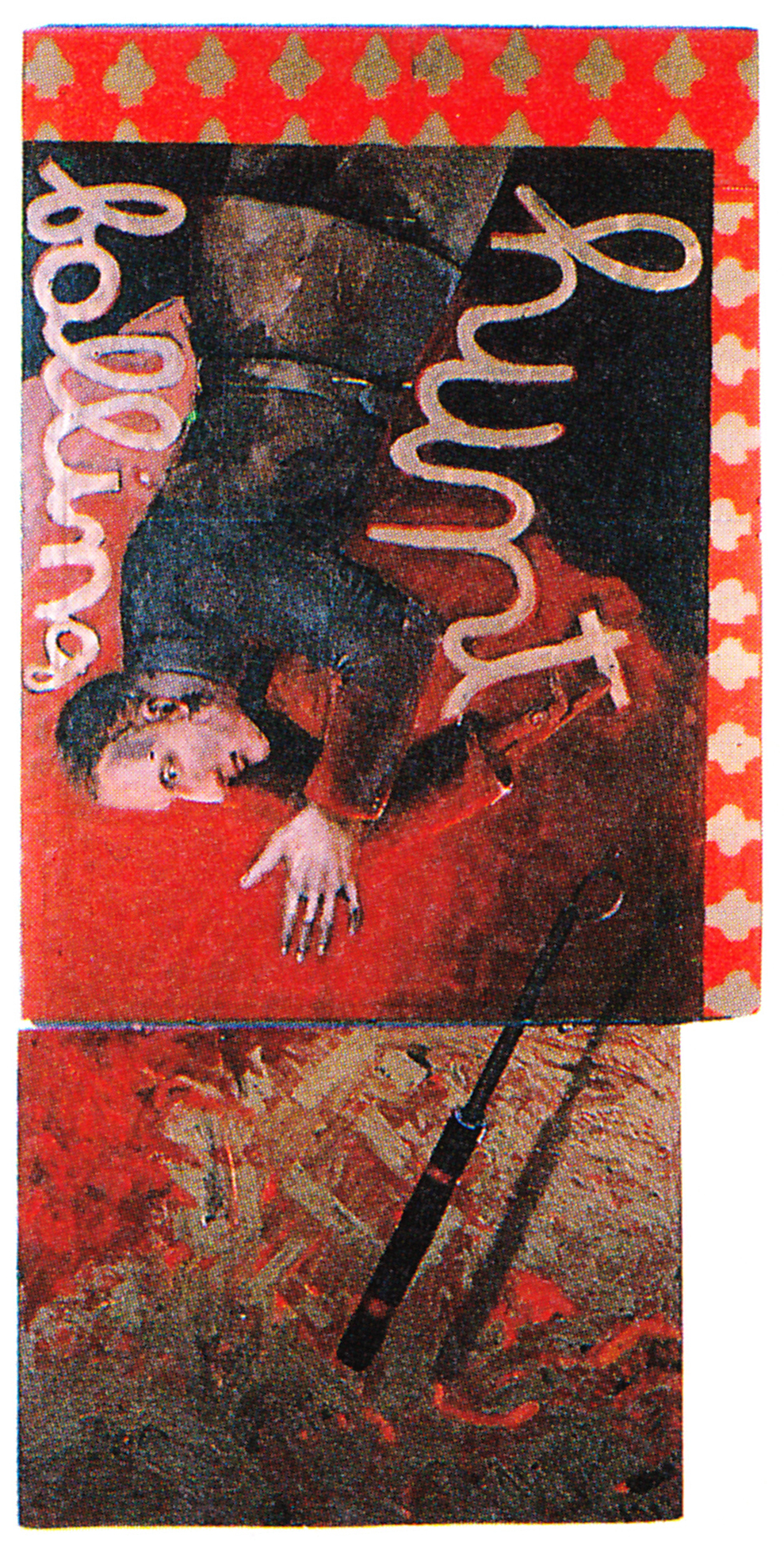
Steven Campbell, Hunt Falling
The above painting is called Hunt Falling. Falling is an in between state: you’re neither up nor down – and in a sense Hunt is always suspended like this, between good and evil. According to Campbell, Hunt got drawn into Nazi-ism because he was misguided, and his ‘Fall’ is his moral despair when he realizes, too late, his mistake.
Campbell was interested in this ‘in-between’ state in all of us, in our constant crisis of identity, and liked to explore the idea that art itself is a sort of in-between state: a state of flux between ourselves and our own interpretation of the world around us; and falling is like inspiration, stumbling forward into the unknown.
Steven Campbell, Flapping like an Aspen
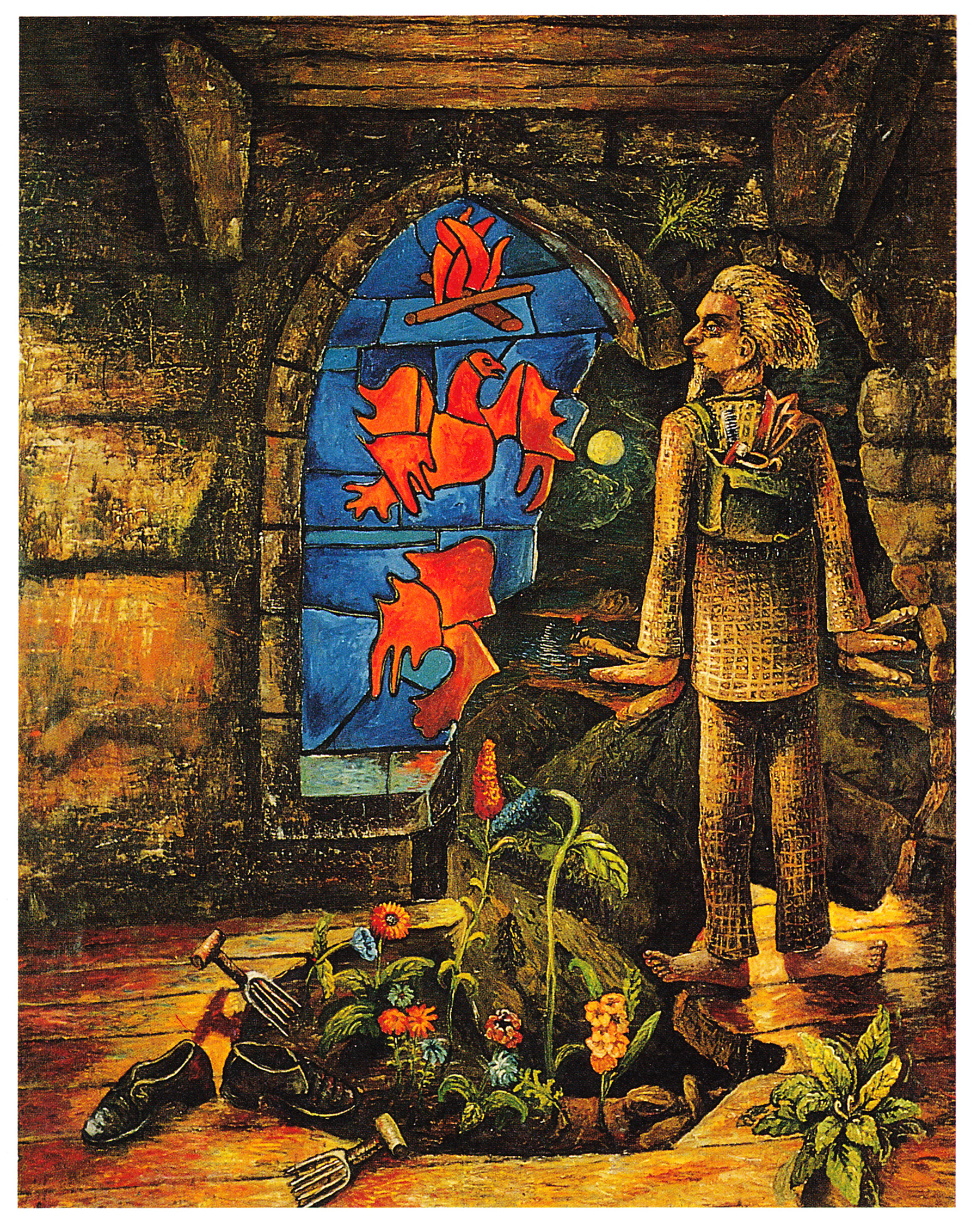
Hunt then transformed into various other characters in Campbell’s later work. When he left art school, Campbell’s paintings began to feature Abraham Van Helsing, from Bram Stoker’s Dracula.
The above painting shows Van Helsing inhabiting a dark, gothic crypt with a stained-glass window behind him, and like Hunt, we’re not entirely sure what Van Helsing’s intentions are. He’s suspended somewhere between the darkness of the crypt, and the light of the window, and though there are flowers sprouting from the ground, we know a corpse might be buried beneath them. As the writer Duncan MacMillan says in his book on Campbell, Van Helsing’s engaged in the pursuit of the strange and bizarre, attempting to pin it down with a stake through its heart [6], just like an artist trying to discover the illusive goals of painting. Van Helsing haunts dark places, and like many artists, is obsessed with the ‘Undead’ – or, to put it another way – the history of ‘great’ painting.
The Trust hopes you’ve enjoyed finding out a little more about the intriguing cast of characters that inhabit Steven Campbell’s paintings, which we’ll be exploring further in future posts.
Footnotes:
[1] -The Herald/ Published Date: 16th November 2019
[2] – p.13/ The Paintings of Steven Campbell: The Story So Far/ by Duncan MacMillan/ Publisher: South London Gallery/ Date Published: 1993
[3] – p.12/ The Paintings of Steven Campbell: The Story So Far/ by Duncan MacMillan/ Publisher: South London Gallery/ Date Published: 1993
[4] – p.13/ The Paintings of Steven Campbell: The Story So Far/ by Duncan MacMillan/ Publisher: South London Gallery/ Date Published: 1993
[5] – p.14 / The Paintings of Steven Campbell: The Story So Far/ by Duncan MacMillan/ Publisher: South London Gallery/ Date Published: 1993
[6] – p.16 / The Paintings of Steven Campbell: The Story So Far/ by Duncan MacMillan/ Publisher: South London Gallery/ Date Published: 1993
A major source used in this blog post was The Paintings of Steven Campbell: The Story So Far/ by Duncan MacMillan/ Publisher: South London Gallery/ Date Published: 1993 (p.12-16). If you’re wanting to find out more about the work of Steven Campbell, we would highly recommend getting this Duncan MacMillan book, which looks at Campbell’s work in a great deal of depth.
Since being awarded the 2023 Hunt Medal, the encouragement and mentorship provided to me by the Steven Campbell Trust team, has allowed me to excel in my further studies and grow in my career. This year I completed my Master’s in Fine Art at GSA; thereafter, I undertook an artist residency at The Nacional Museo del Prado, Madrid. The Steven Campbell Trust has been constant in its ongoing support, guidance and backing. I offer sincere thanks to those who operate at the very heart of the Trust: Carol Campbell, John Ferry, Neil Gilmour, Marion Marlow and Sandy Moffat – who embody the spirit of the Trust and demonstrate its core values.
Without a doubt, the most valuable aspects of my Masters programme were the one-to-one tailored tutorials. These were led by high-calibre artists whose work I have admired for many years. Namely, GSA alumni Stuart MacKenzie (RSA) and Michael Fullerton. Both encouraged and challenged my artistic practice, inspiring me to engage with, and research intently, the paintings of the great masters. Following my tutorial with Stuart MacKenzie, he nominated me for the 2024 Richard Ford Award – a prestigious accolade which he himself was the recipient of in 1983. This London-based award allows artists to study independently and directly from the masterpieces in the Prado. This intensive period of study is designed to develop knowledge of painting and drawing by direct exposure to the works in the Prado collection.
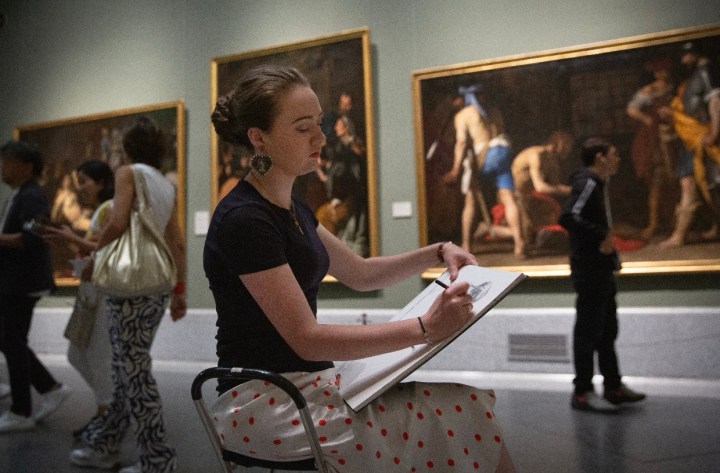
After arriving in Madrid, I was warmly welcomed to the Prado by Marisa Sanchez Gomez and Paloma Herranz González. I know the importance of establishing a consistent routine, to ensure good time management and discipline. Sketching in the public setting of the museum holds its own unique quality and hearing the reactions of visitors was a very honest, raw and rare insight, in real time! This contrasts starkly with my usual routine which involves more solitary work in my studio. The process is usually hidden and only the final pieces are selected for public viewing. My time at the Prado allowed me to grow in confidence, embracing my own style of mark making and maintaining focus on my muse of choice. Behind the scenes at the museum, I had access to the restoration workshop and the drawings cabinet. I could not quite believe the close proximity I had to the pieces, most notably some original works of Rubens, Goya and El Greco.
I was surrounded by onlookers from all over the world, hearing a range of languages spoken. Although verbal communication is key, I would argue that the work transcended the spoken word and united us under a universally understood language – the visual language of art.
My Spanish odyssey allowed me to reflect not only on my sketched outcomes (which I reviewed at the end of each day) but also the place where my museum work started. I fondly remember my mum taking me to visit Kelvingrove Art Gallery and Museum as a child; there, I would sketch the animals from life. The Nacional Museo del Prado, felt somewhat like an upgrade!
I acknowledge with gratitude the time I have spent at GSA and I eagerly look forward to continuing my connection with the Steven Campbell Trust. It is vital for me to protect and honour his legacy. My experience will stay with me for life, and the learning I have gained will greatly contribute to the furtherance of my career.
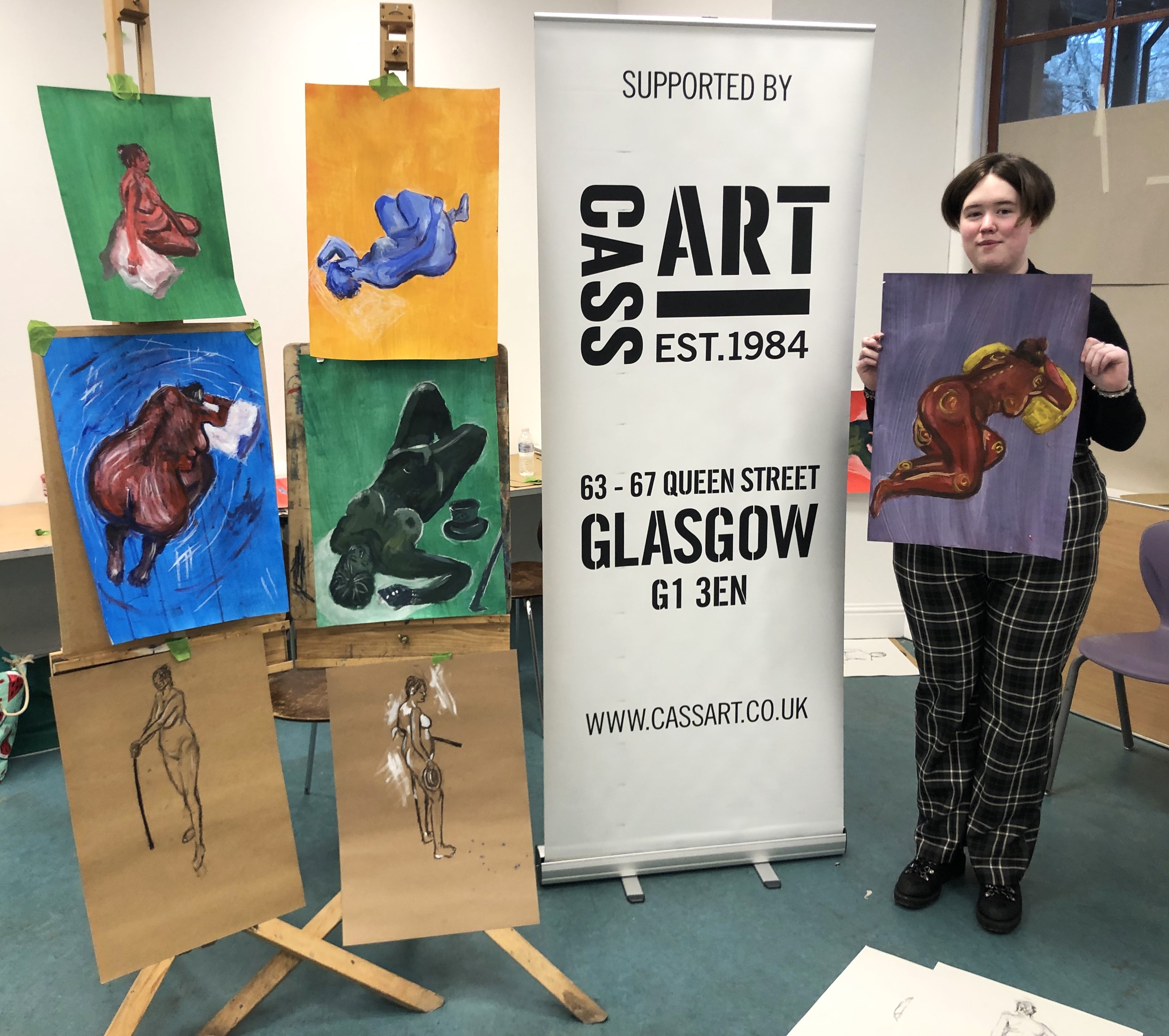
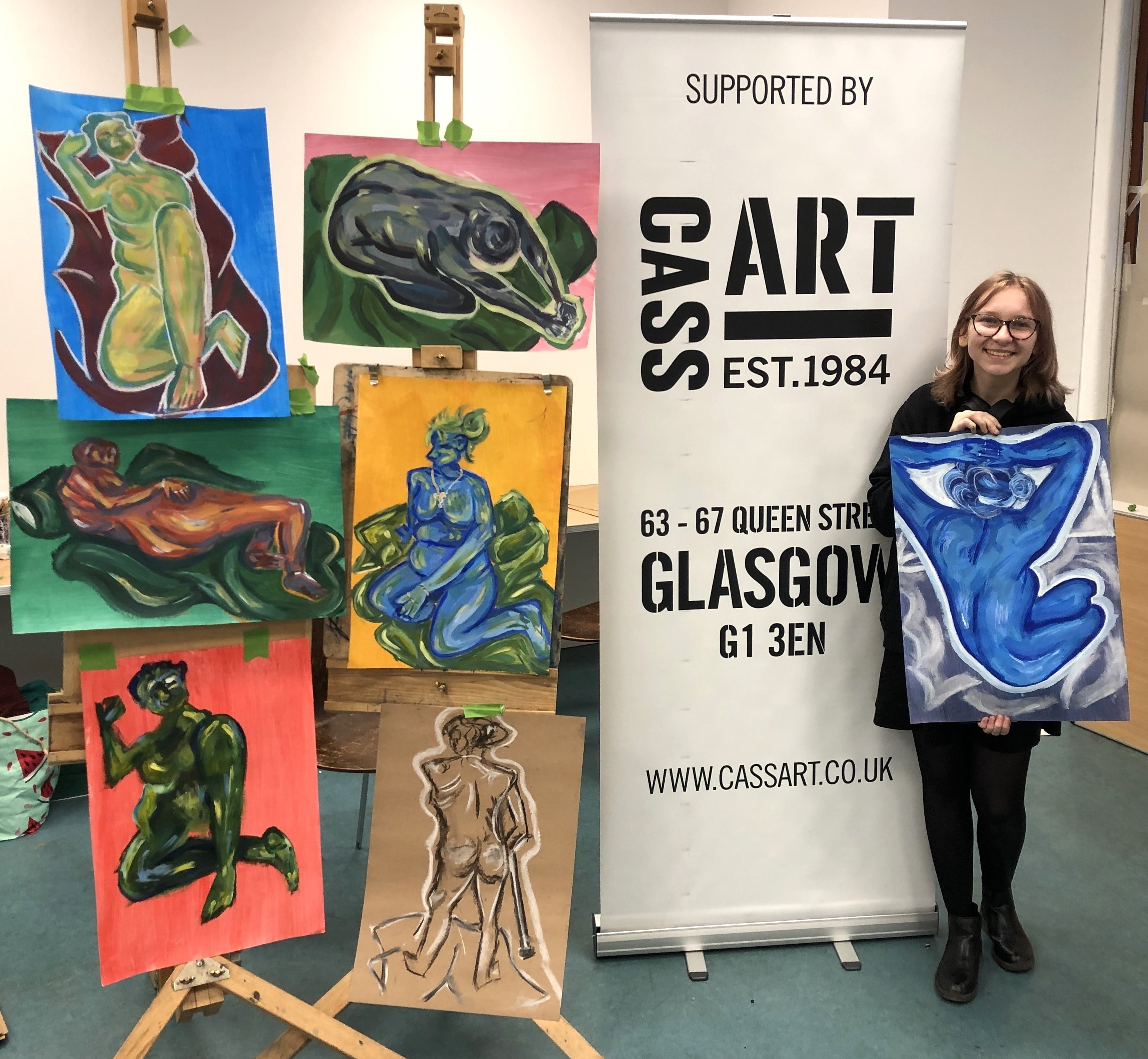
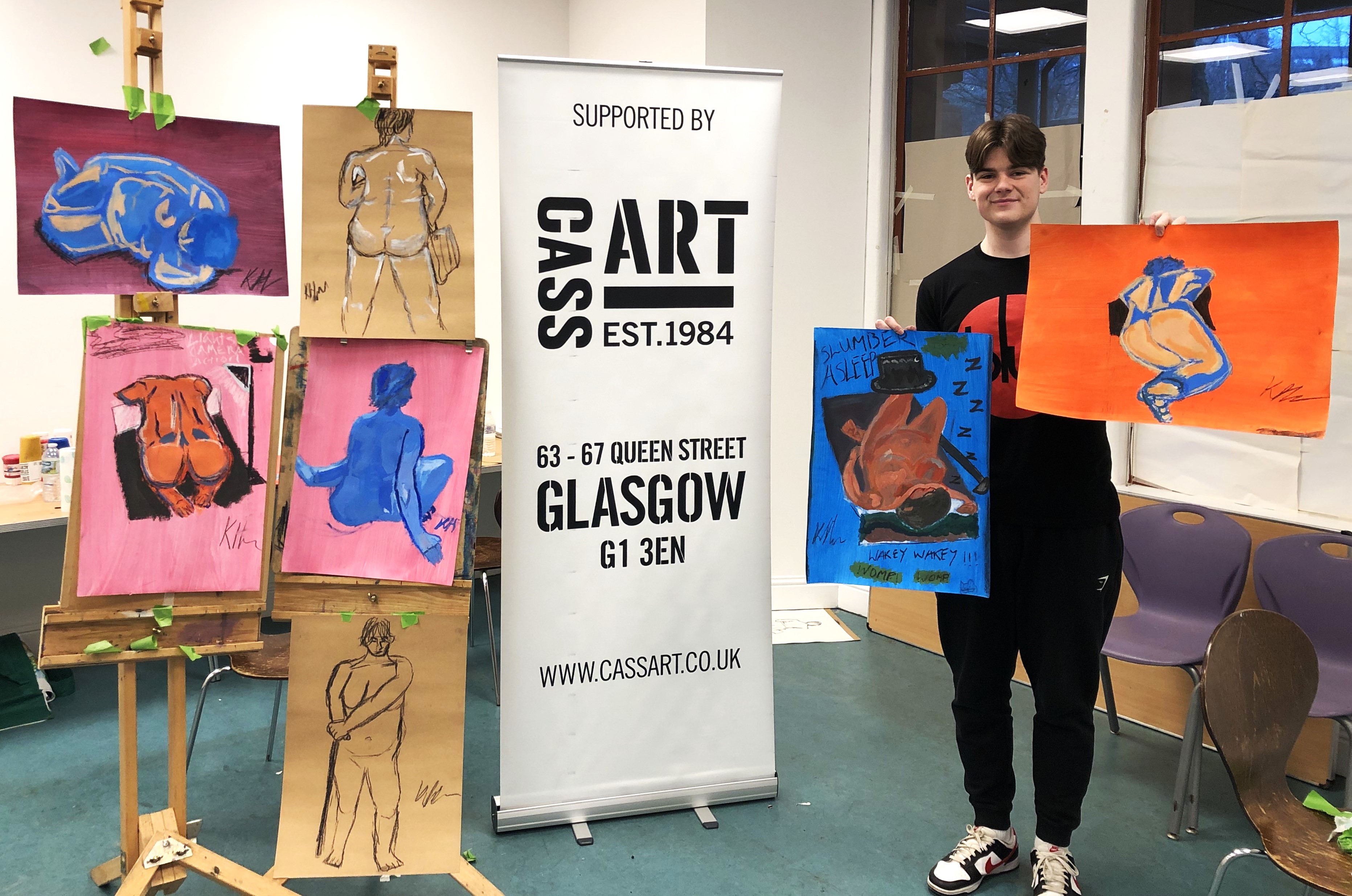
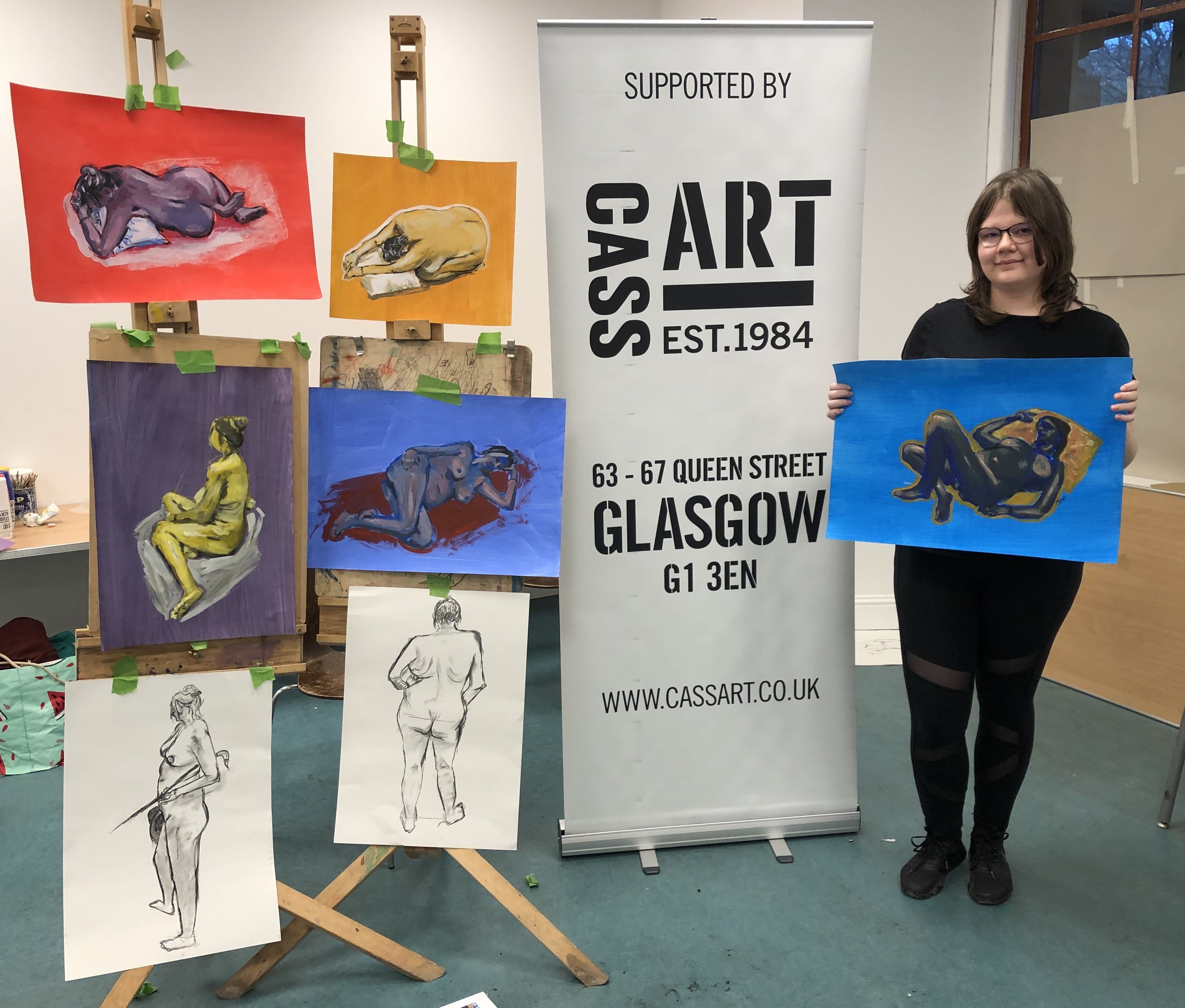
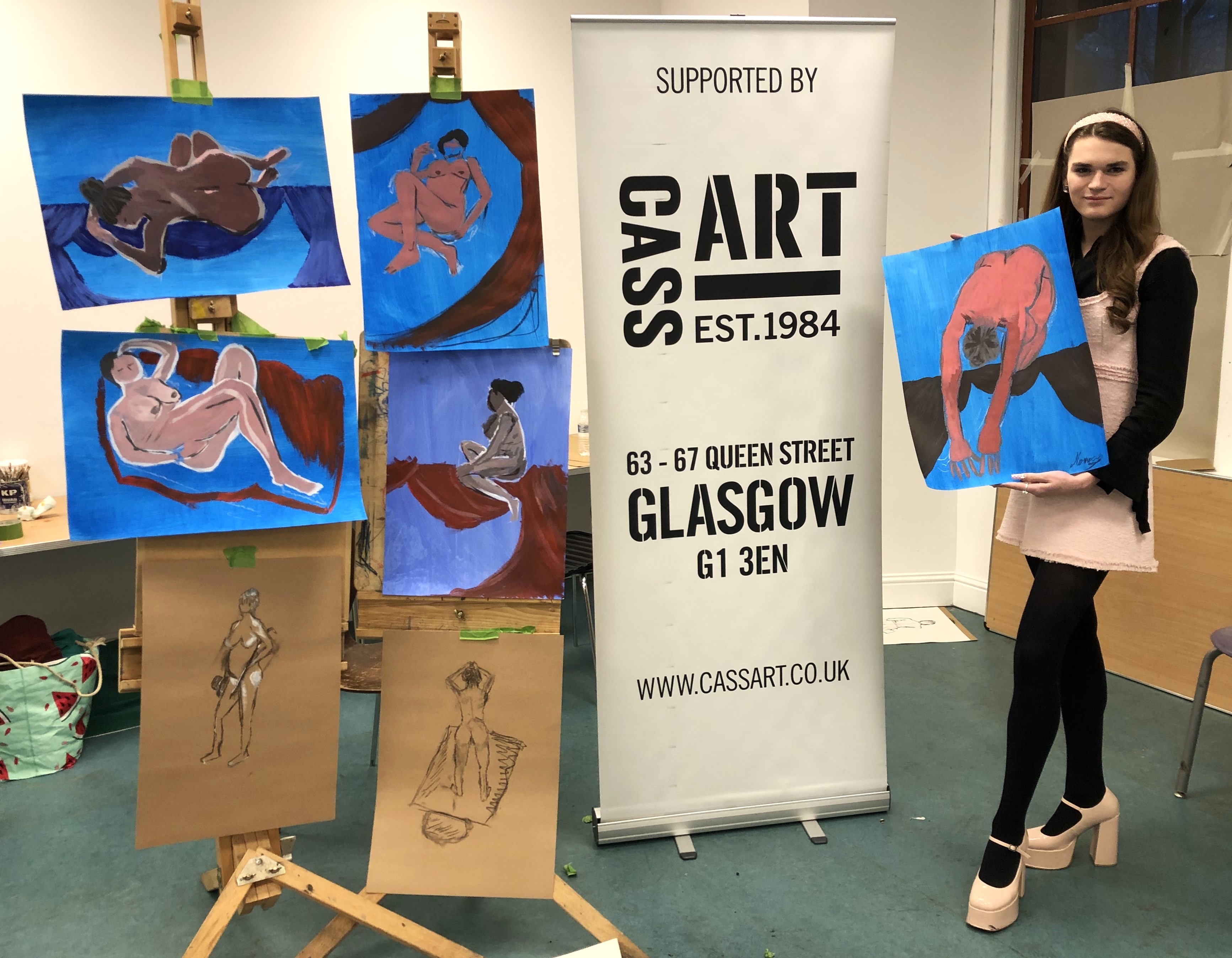
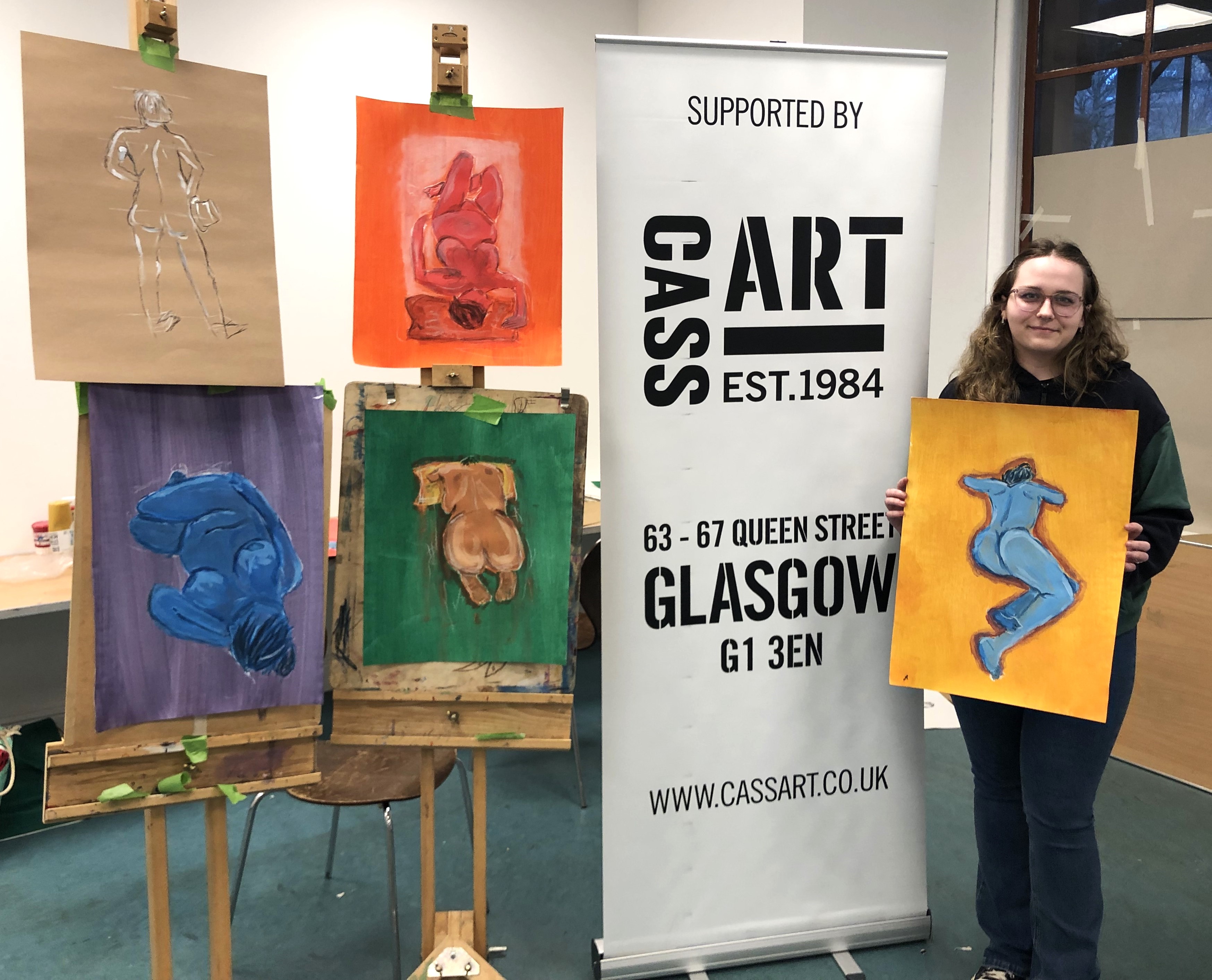
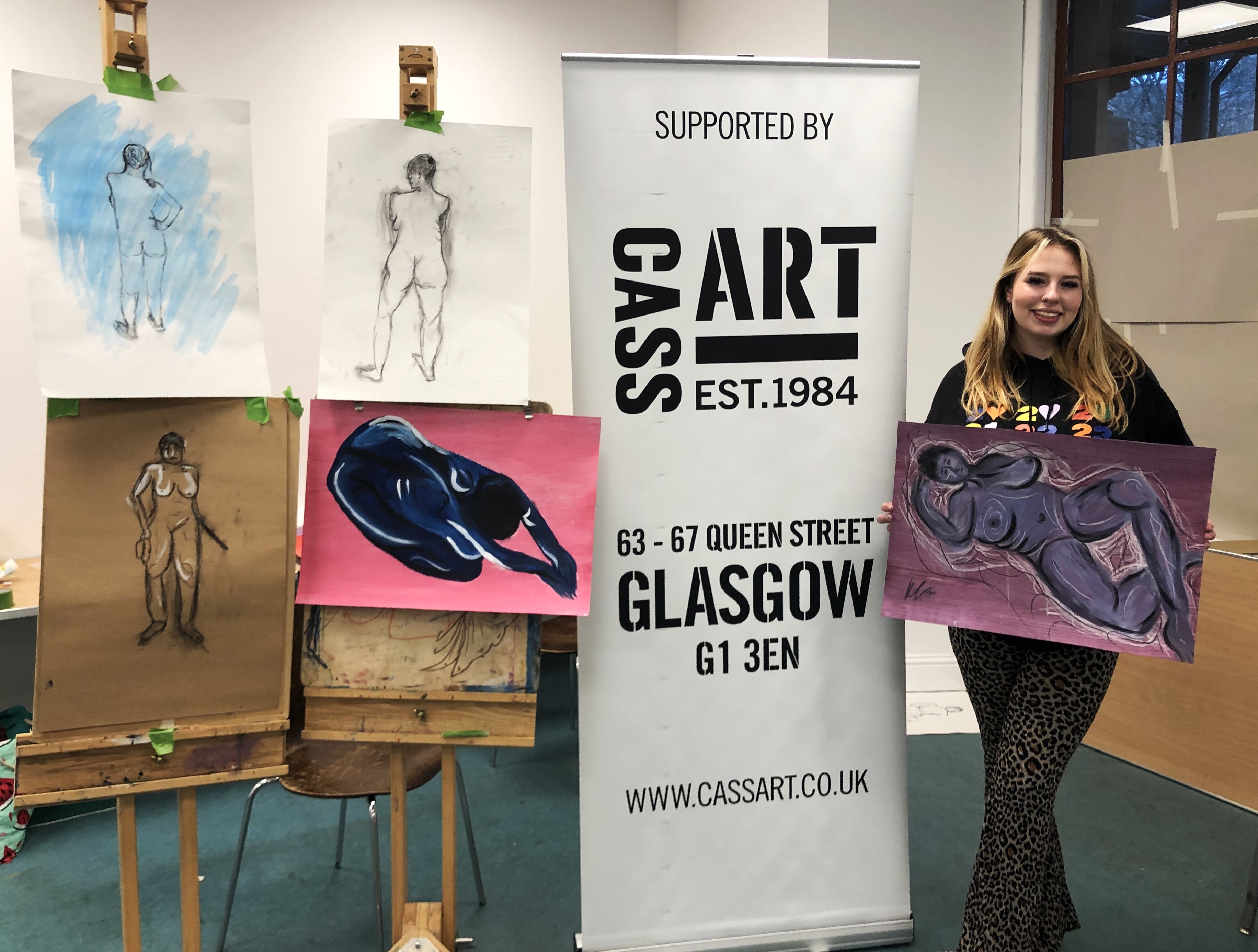
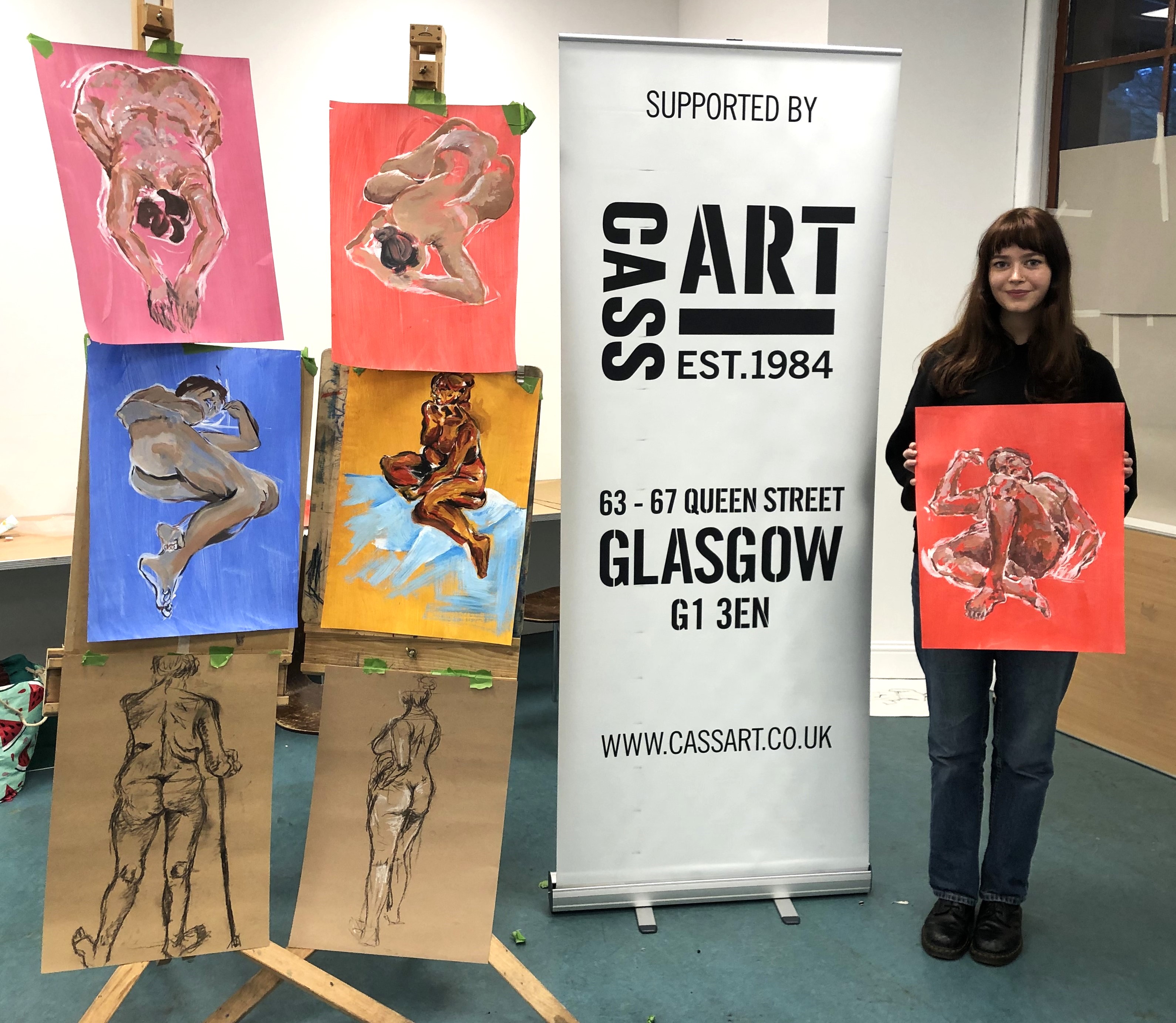
Above: Attendees of the 2024 Steven Campbell Trust workshop posing with some of their favourite paintings
One of the ways that the Trust continues to honour Steven’s life and work is through activities and workshops for schools.
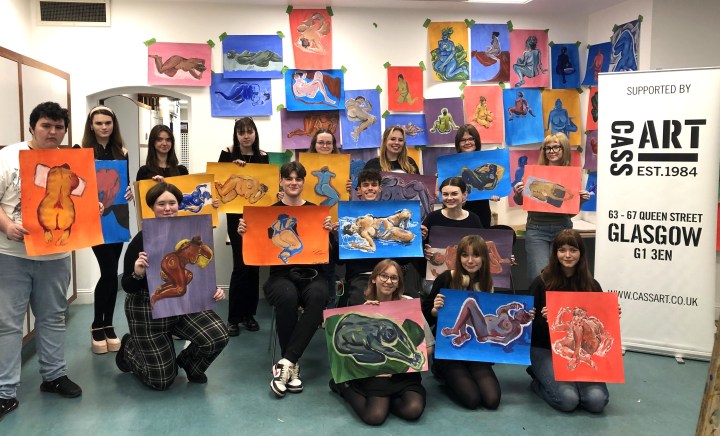
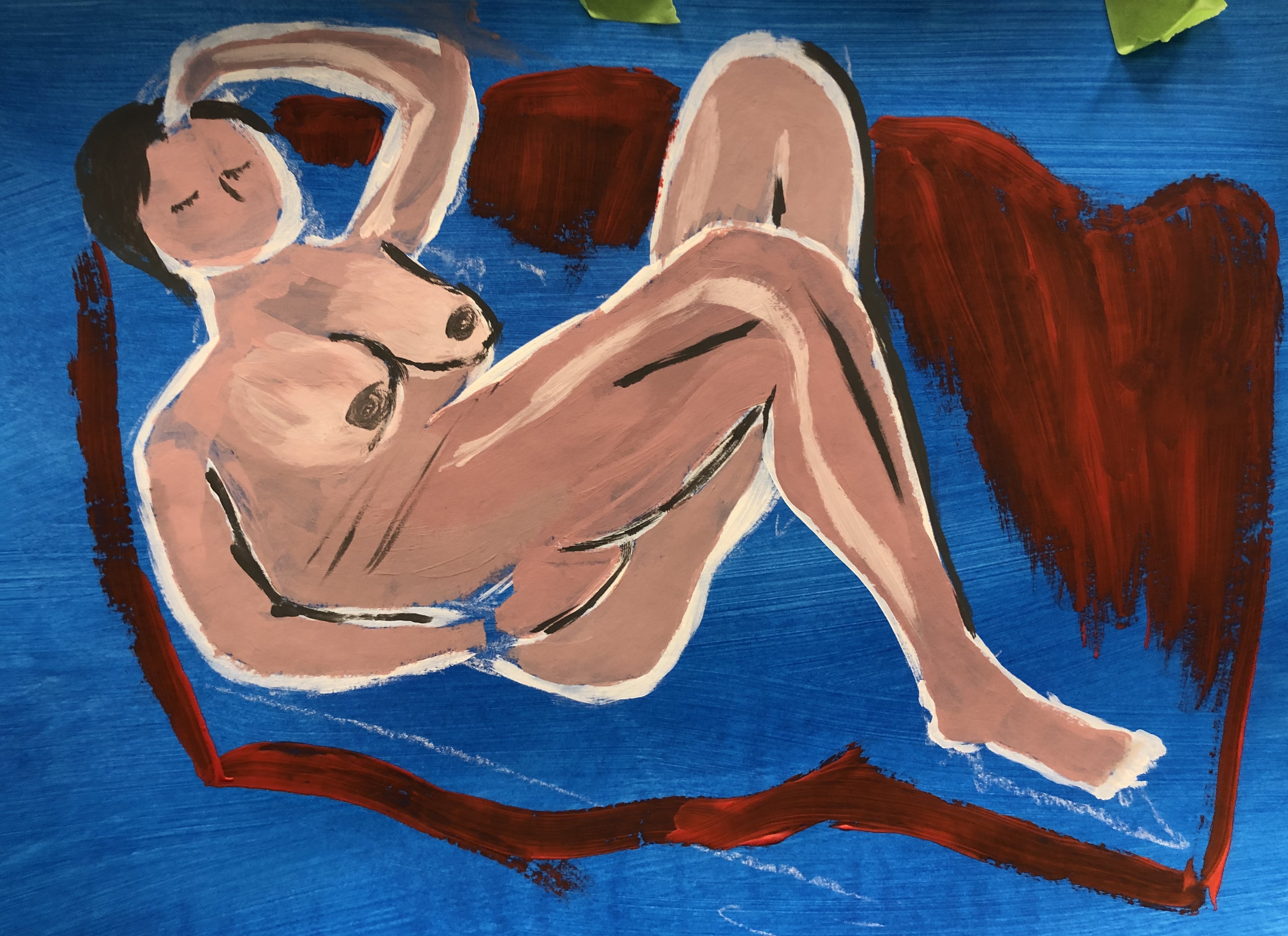
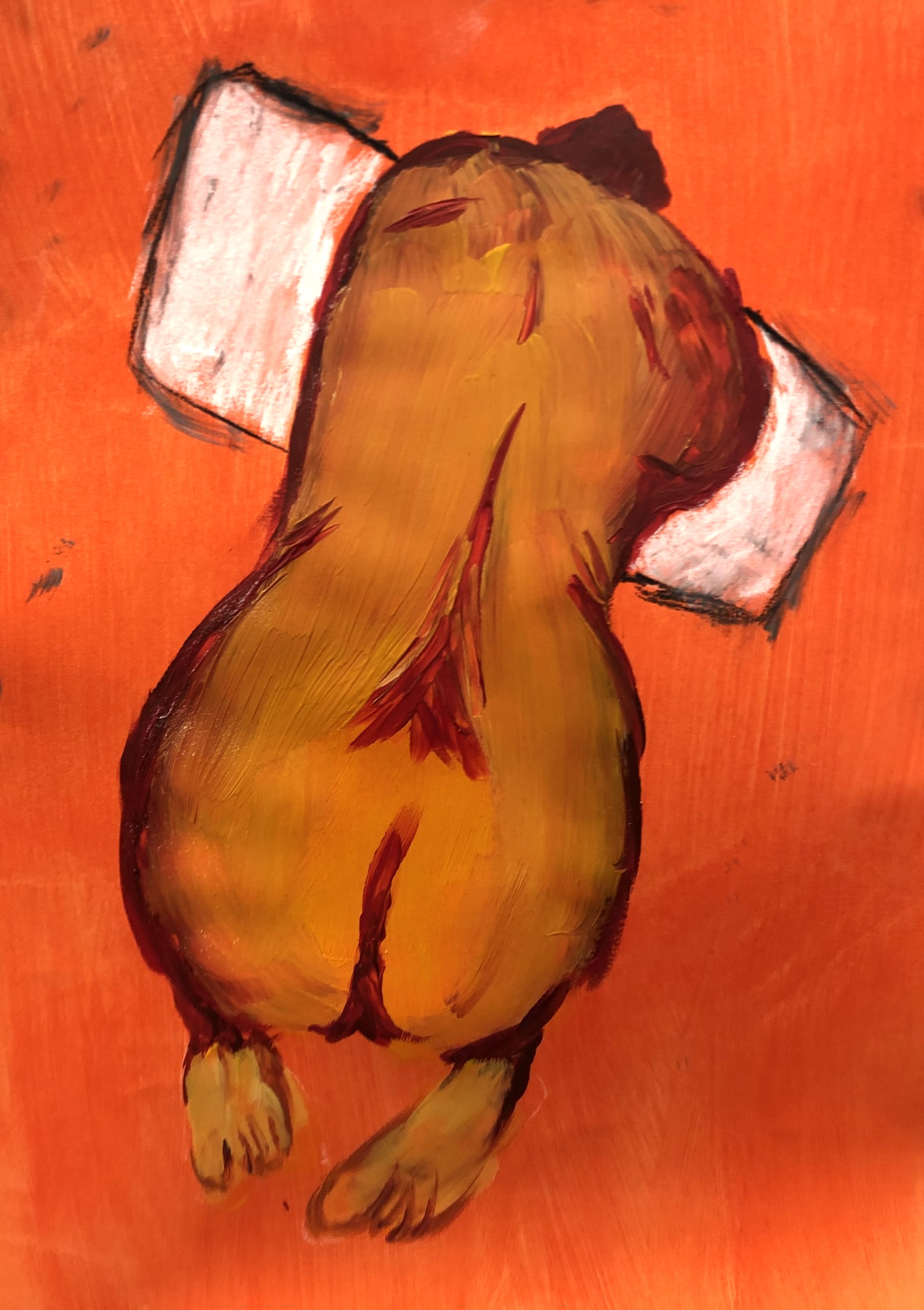
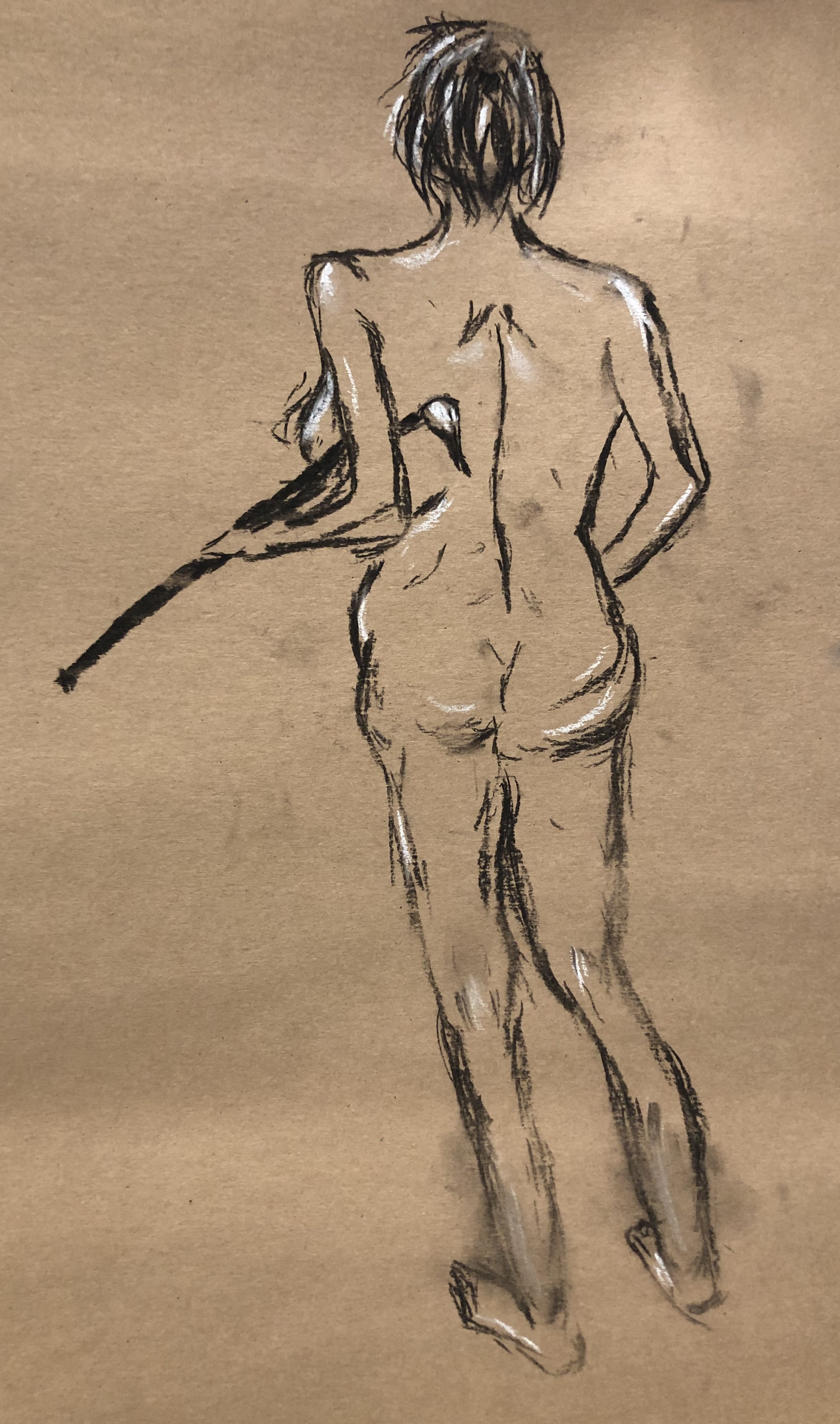
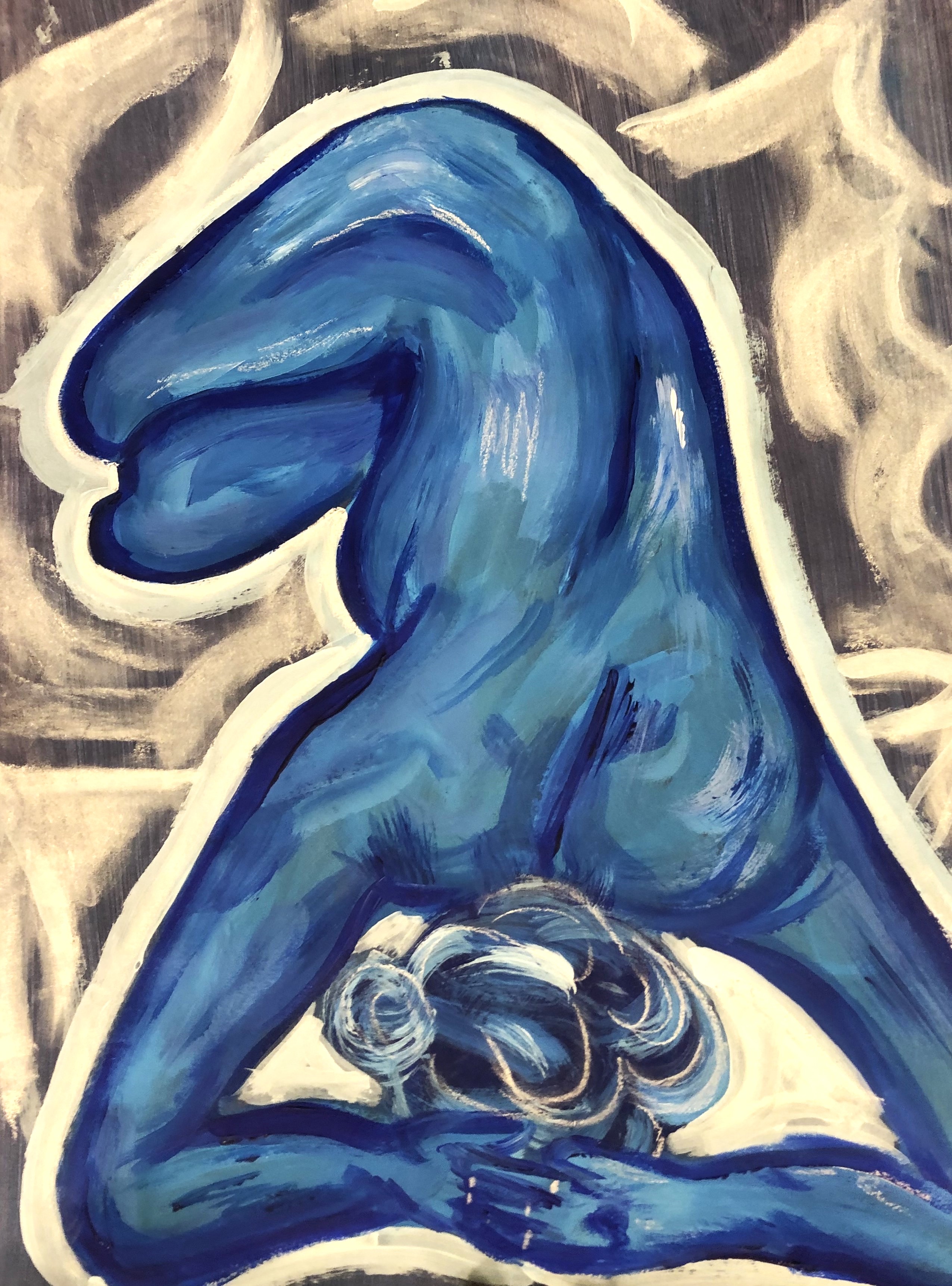
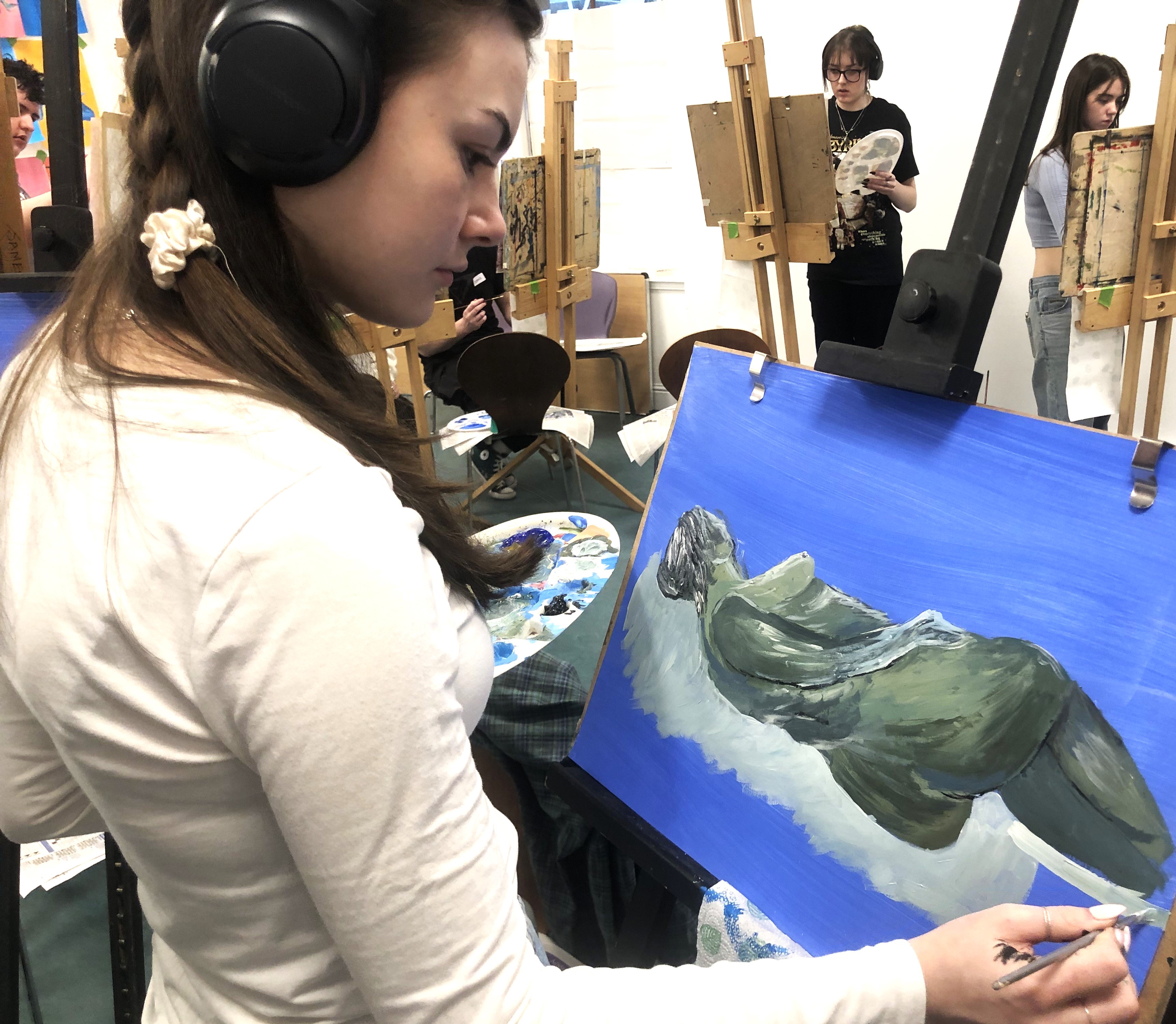
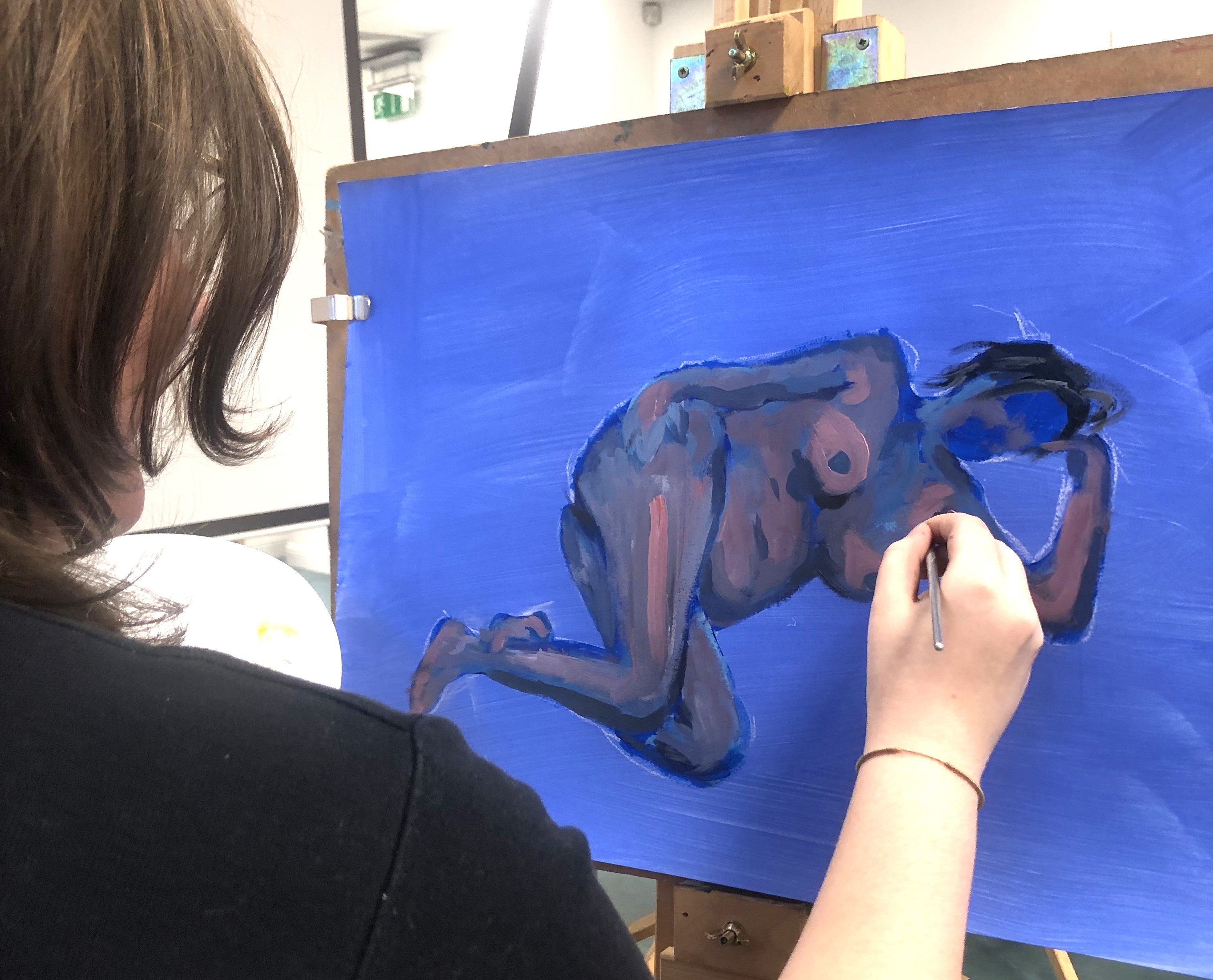
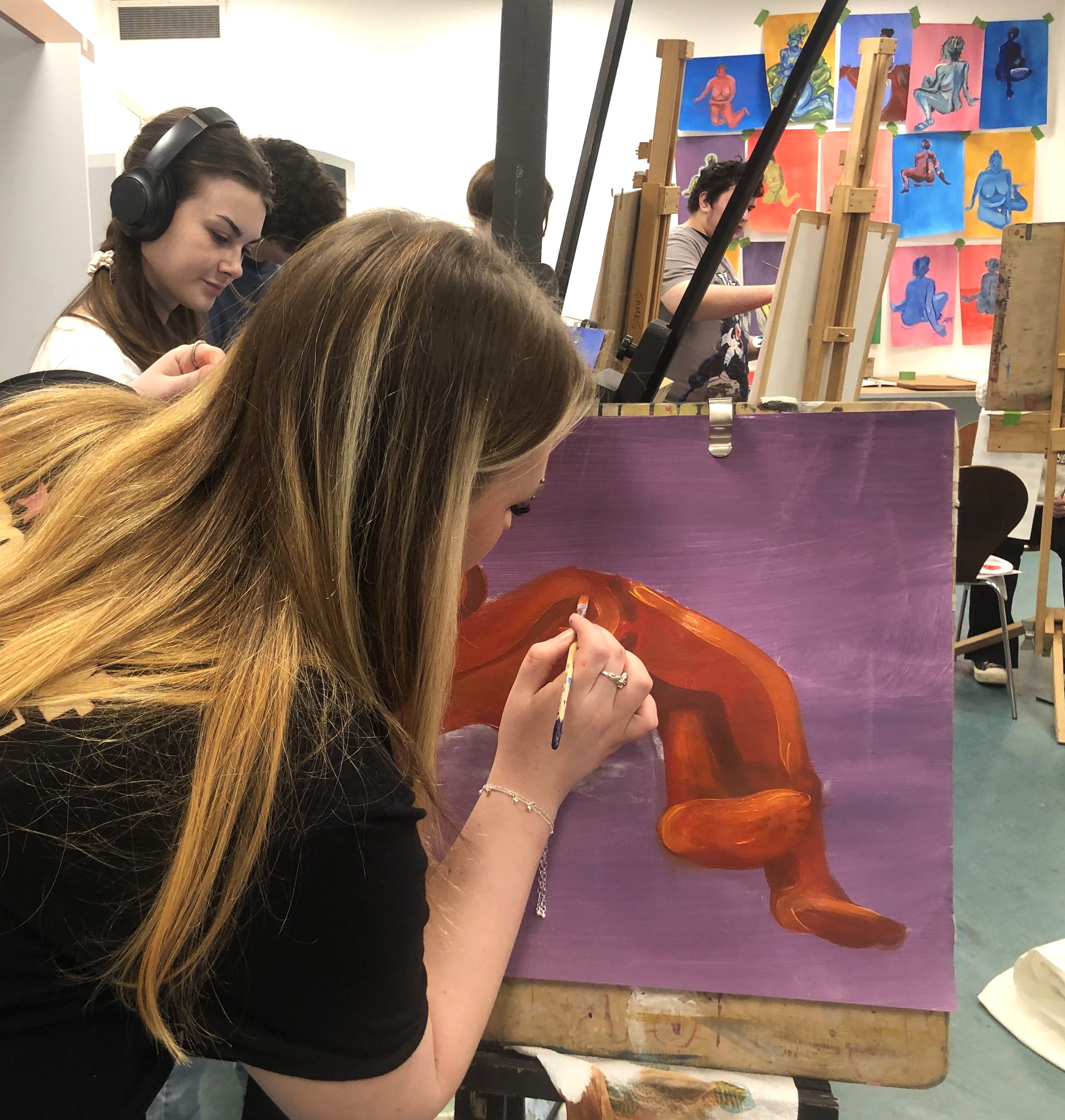
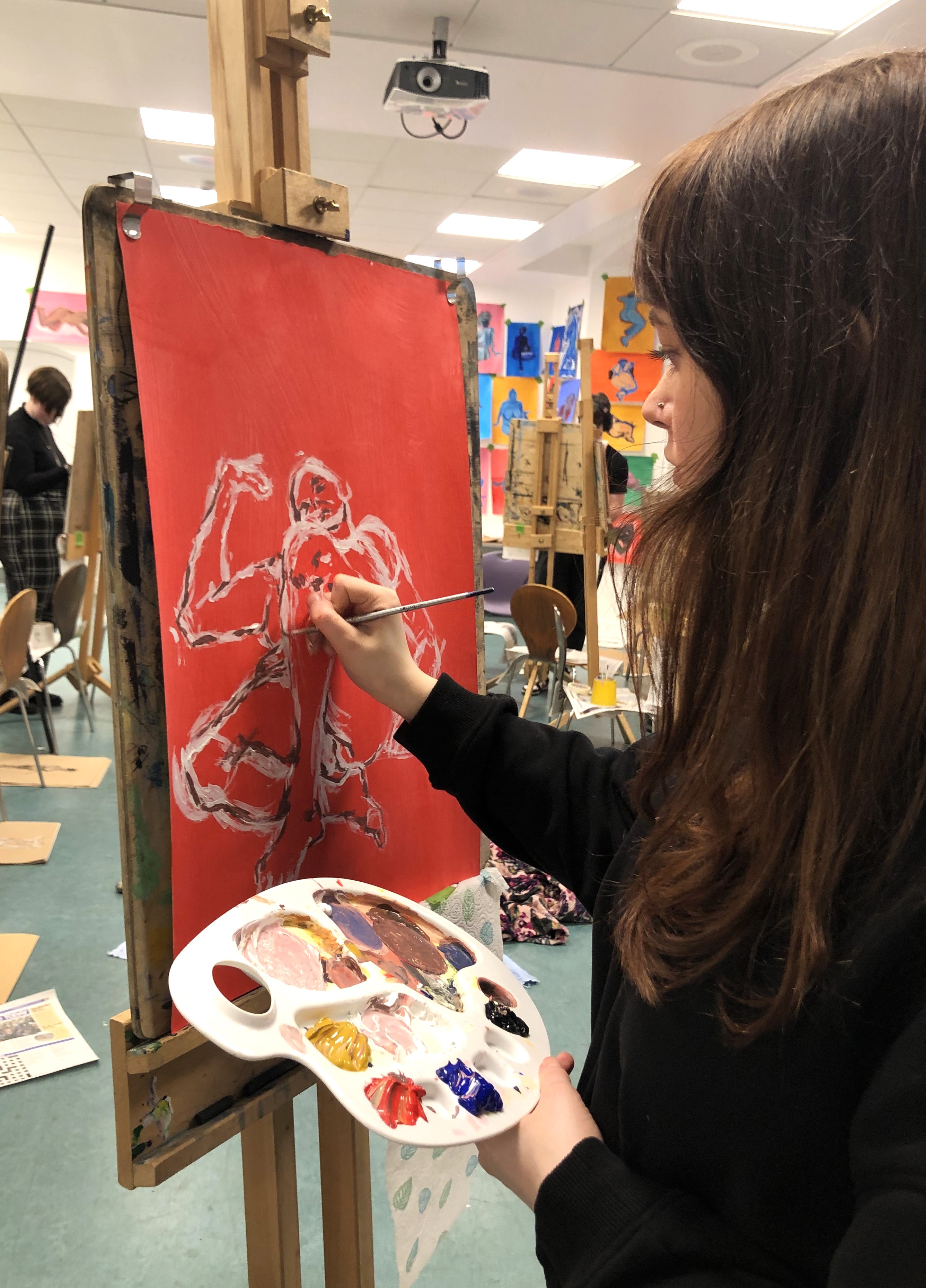
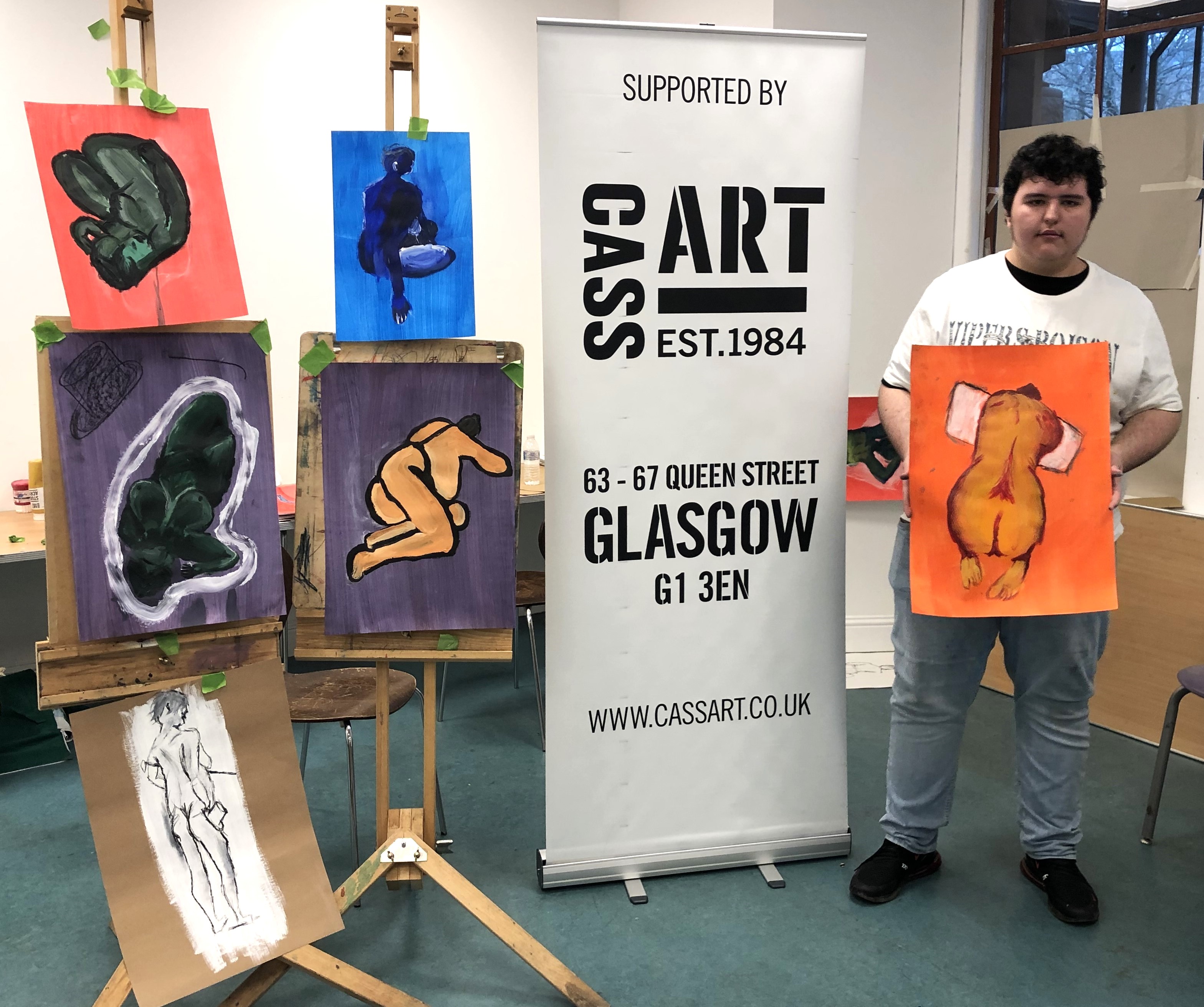
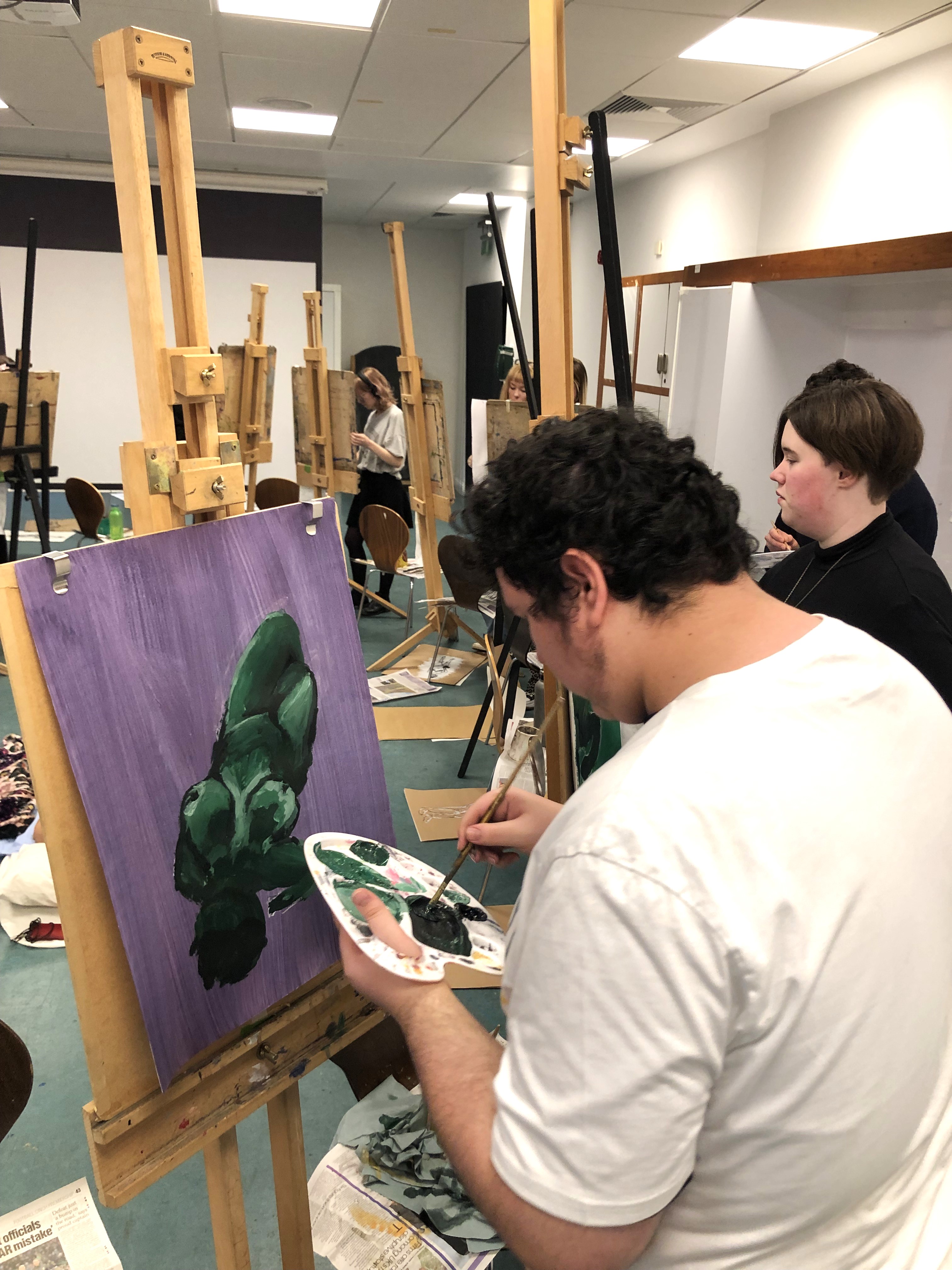
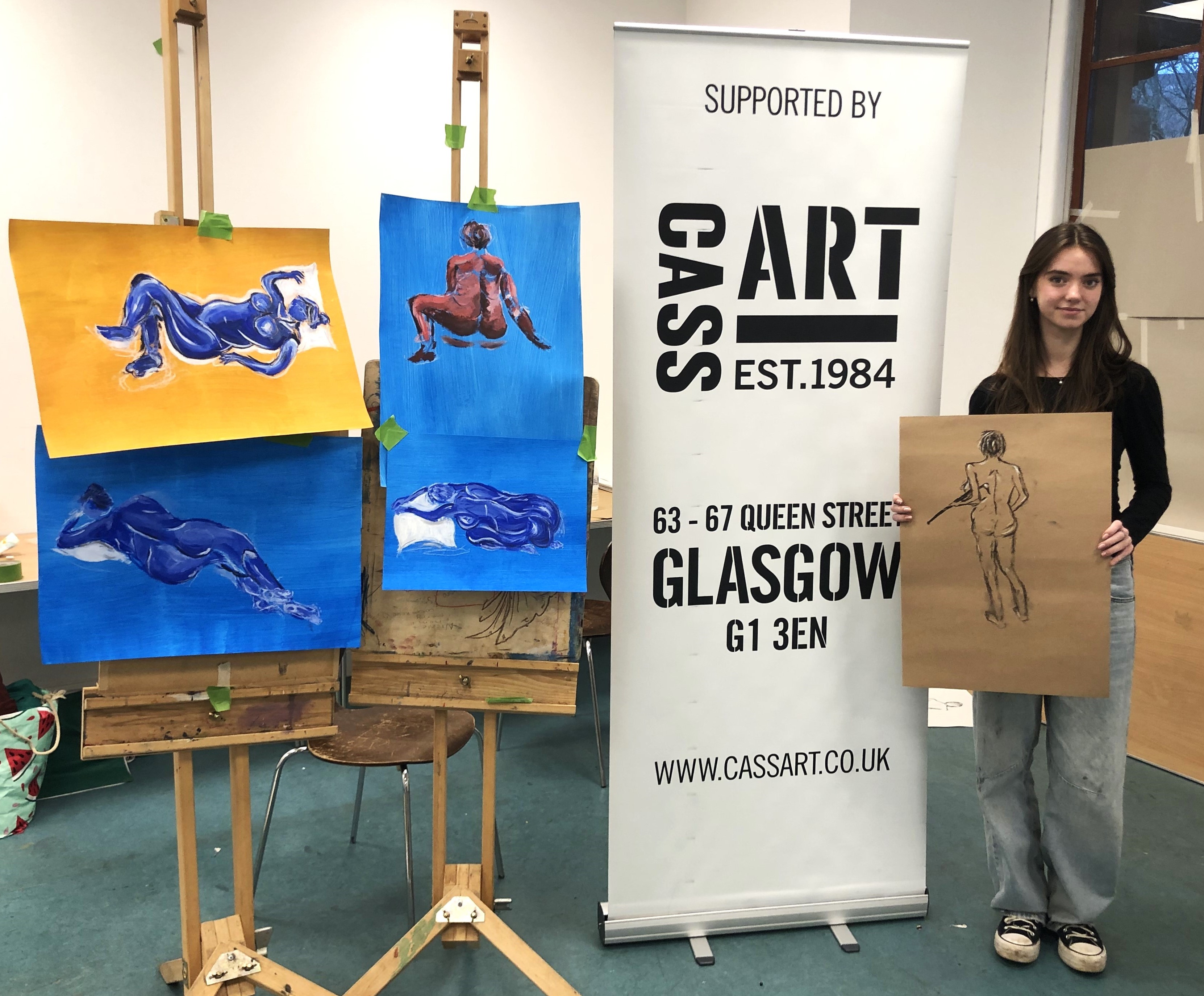
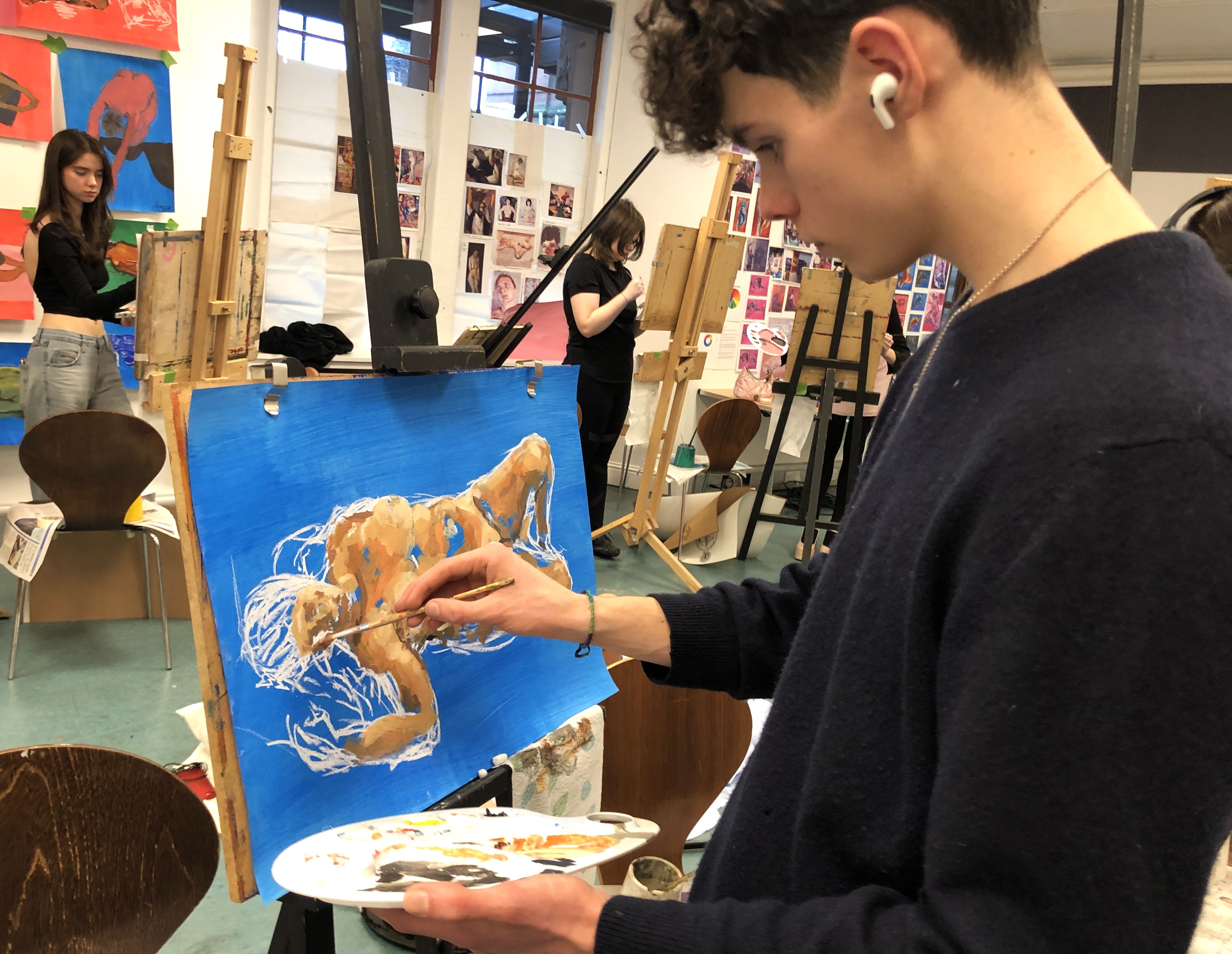
This year, artist Claire Paterson, former winner of the Hunt Medal presented by the Trust, led an intensive two-day life-painting workshop at the Kelvingrove Art Gallery and Museum for fifteen pupils from nine schools, including Balfron High School, Hyndland Secondary, Lourdes Secondary, St Mungo’s Academy, Kelvinside Academy, Drumchapel High School, Hutcheson’s Grammar School, St Andrew’s Secondary and Barrhead High School.
The work was once again of a very high standard and the young people developed new skills through Claire’s careful tutoring.
There was an enormous amount of dedication, energy and talent on display during this year’s workshop, and the attendees were all a credit to their schools. We were also very impressed by the range of unique styles developed by each individual pupil, with all of the work outstanding and inspiring in its own way.
When asked what aspects of the 2024 Steven Campbell Trust workshop they found most helpful, pupils responded:
‘Meeting people with lots of different, unique styles and learning from them.’
‘Having 14 pieces of work in 2 days.’
‘Getting to see the finished result.’
‘Doing drawings worthy to be put in a folio.’
‘Adding tone/ creating strong underdrawings.’
‘Seeing our finished projects and learning past the previous struggles as we progressed.’
‘Learning more techniques to paint with.’
We would like to give a massive thank you to Cass Art for generously supplying us with a wealth of art materials for use during the workshop. For charitable organisations like the Steven Campbell Trust, such support makes a huge difference, allowing educational events like this to run. We look forward to a long and fruitful partnership with Cass Art in the future.
The wealth of materials supplied by Cass Art
Our thanks also to the staff at Kelvingrove Art Gallery and Museum for their support, and for providing us with a wonderful creative environment in which to hold the class.
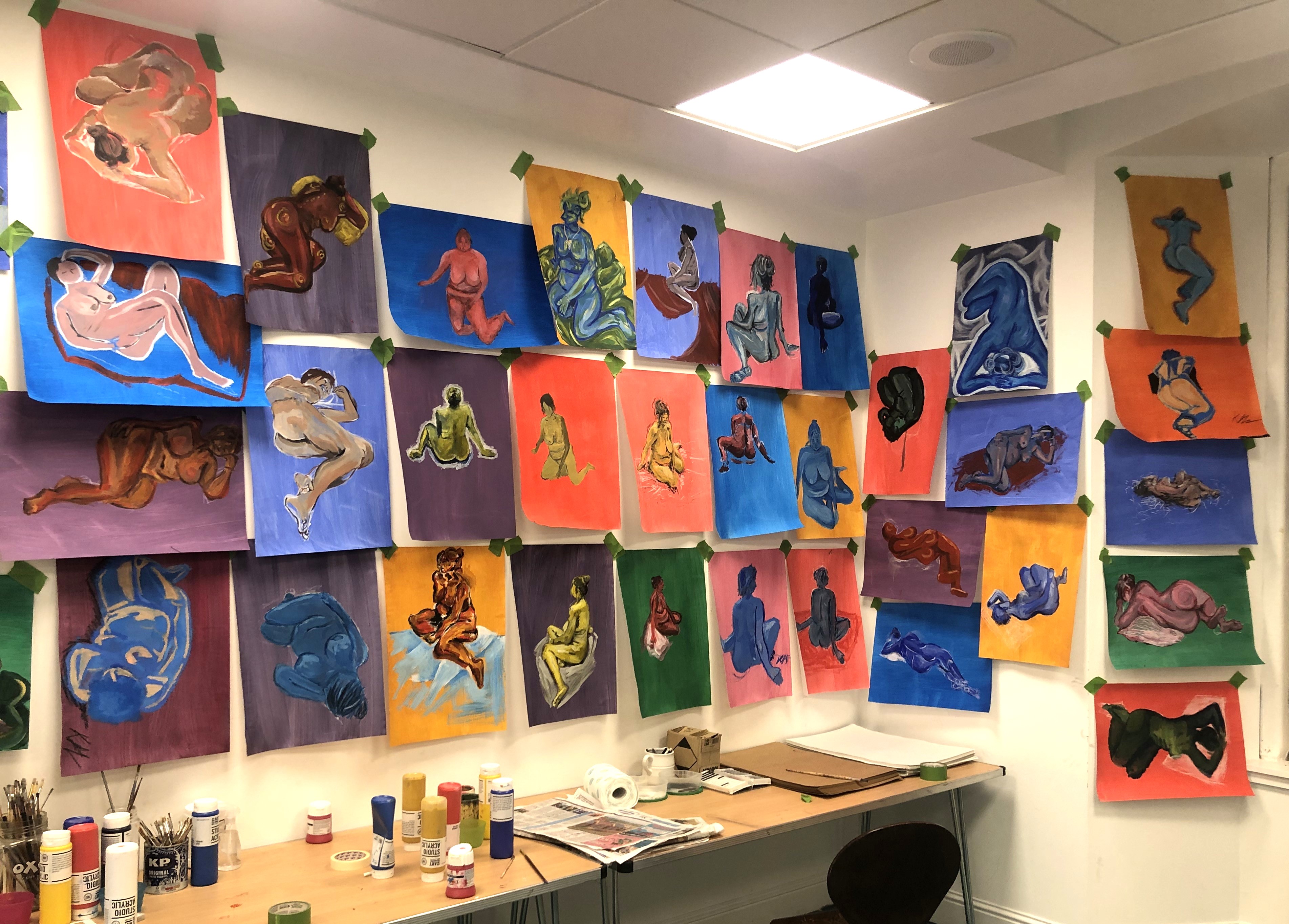
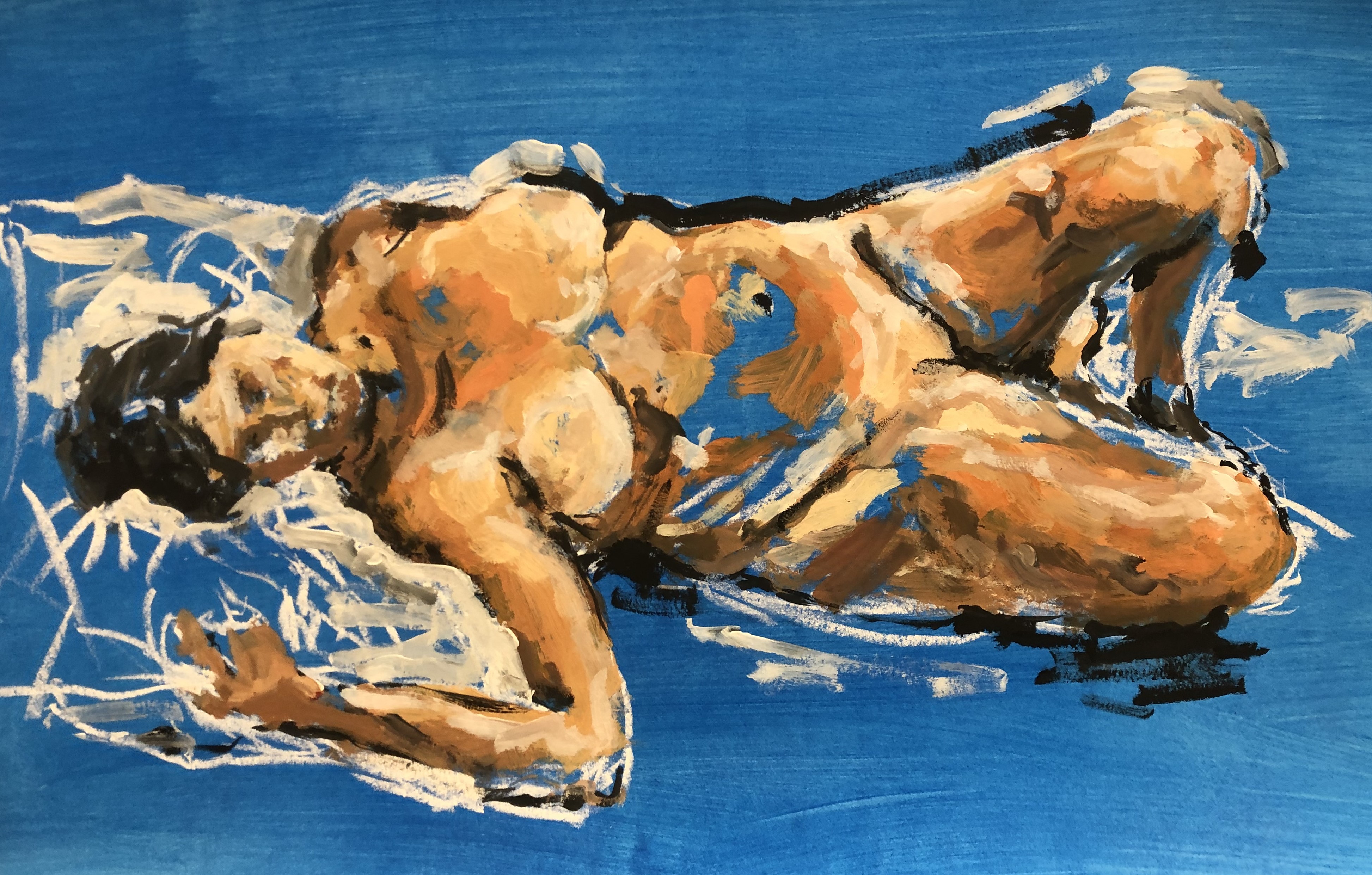
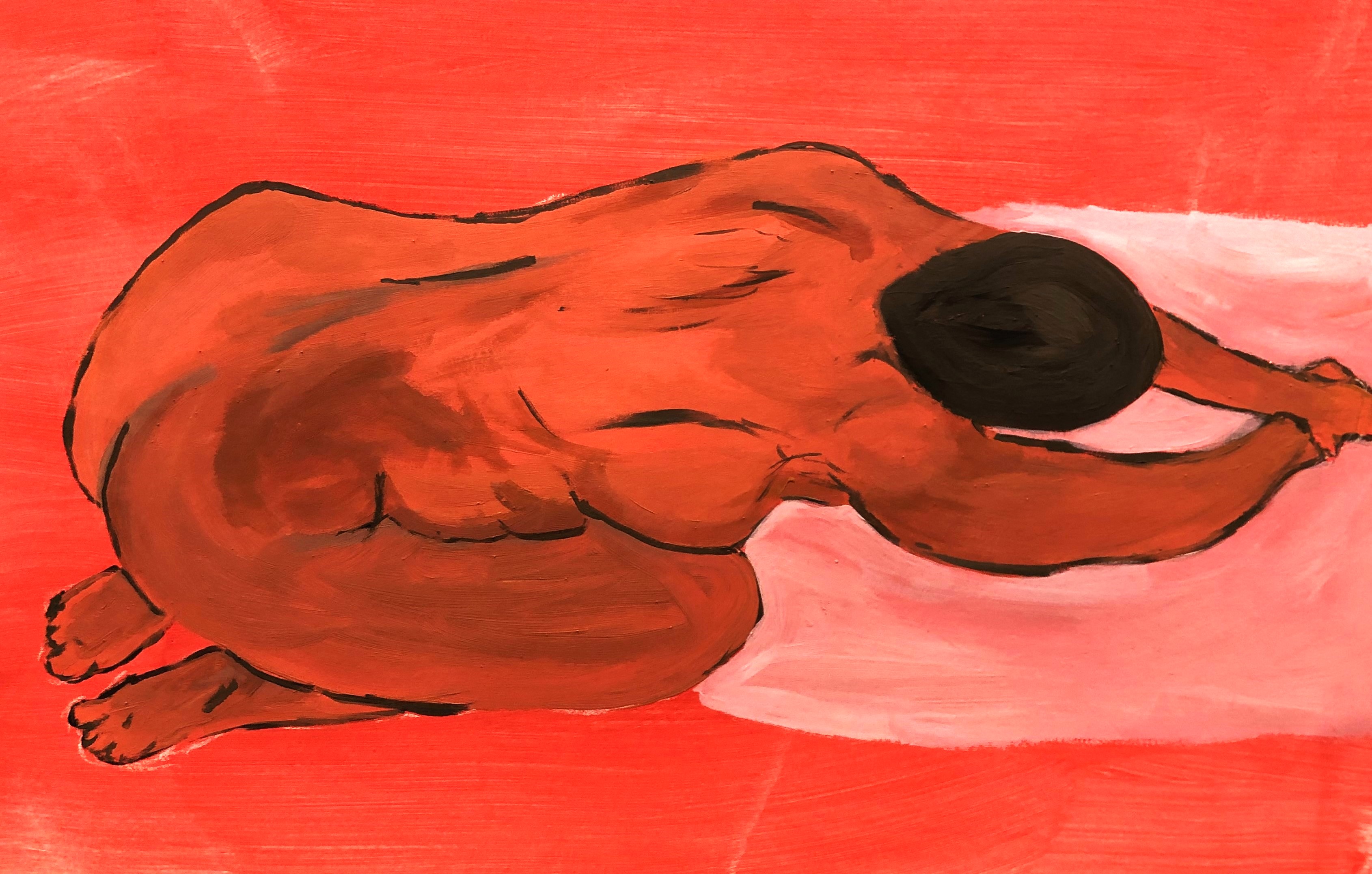
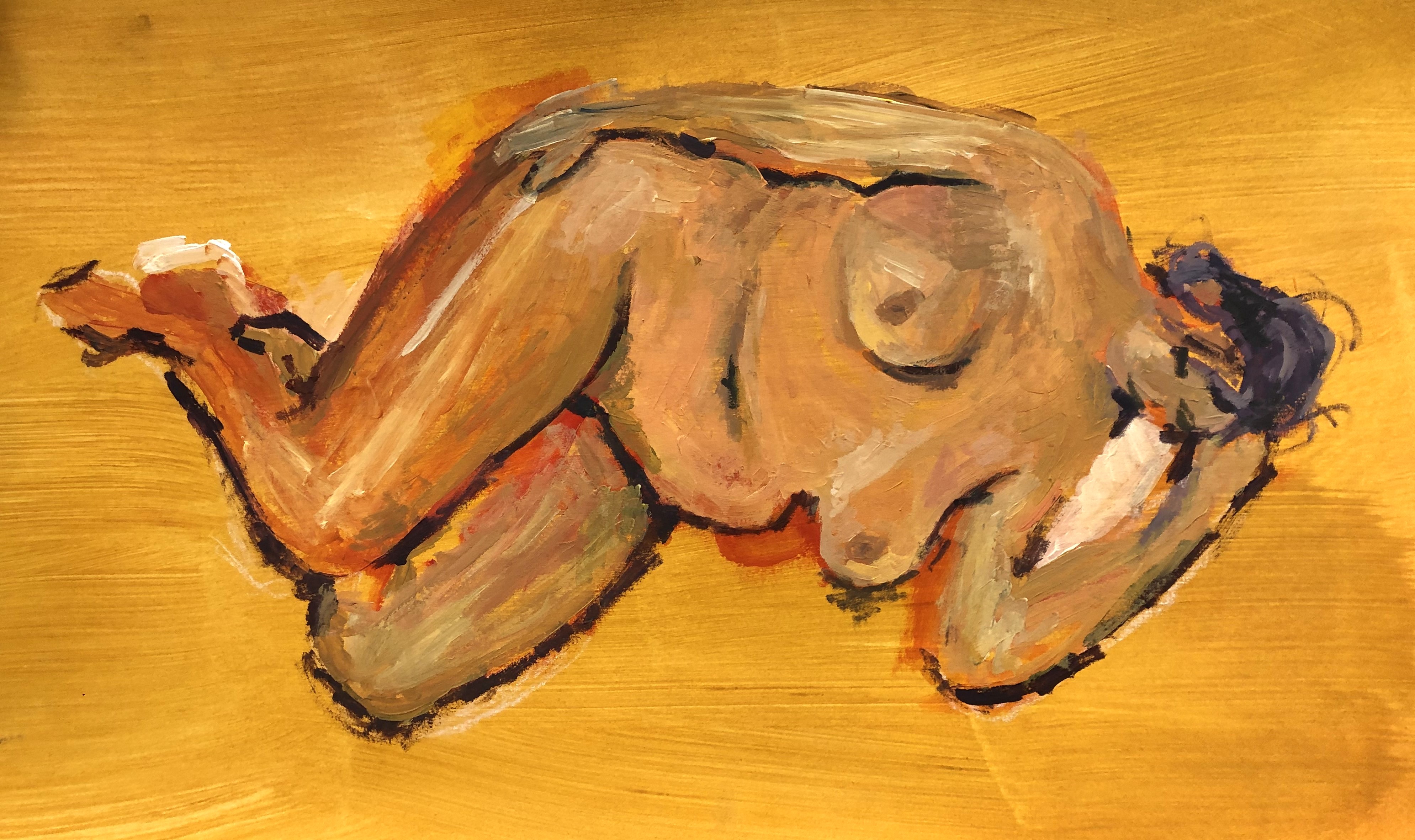
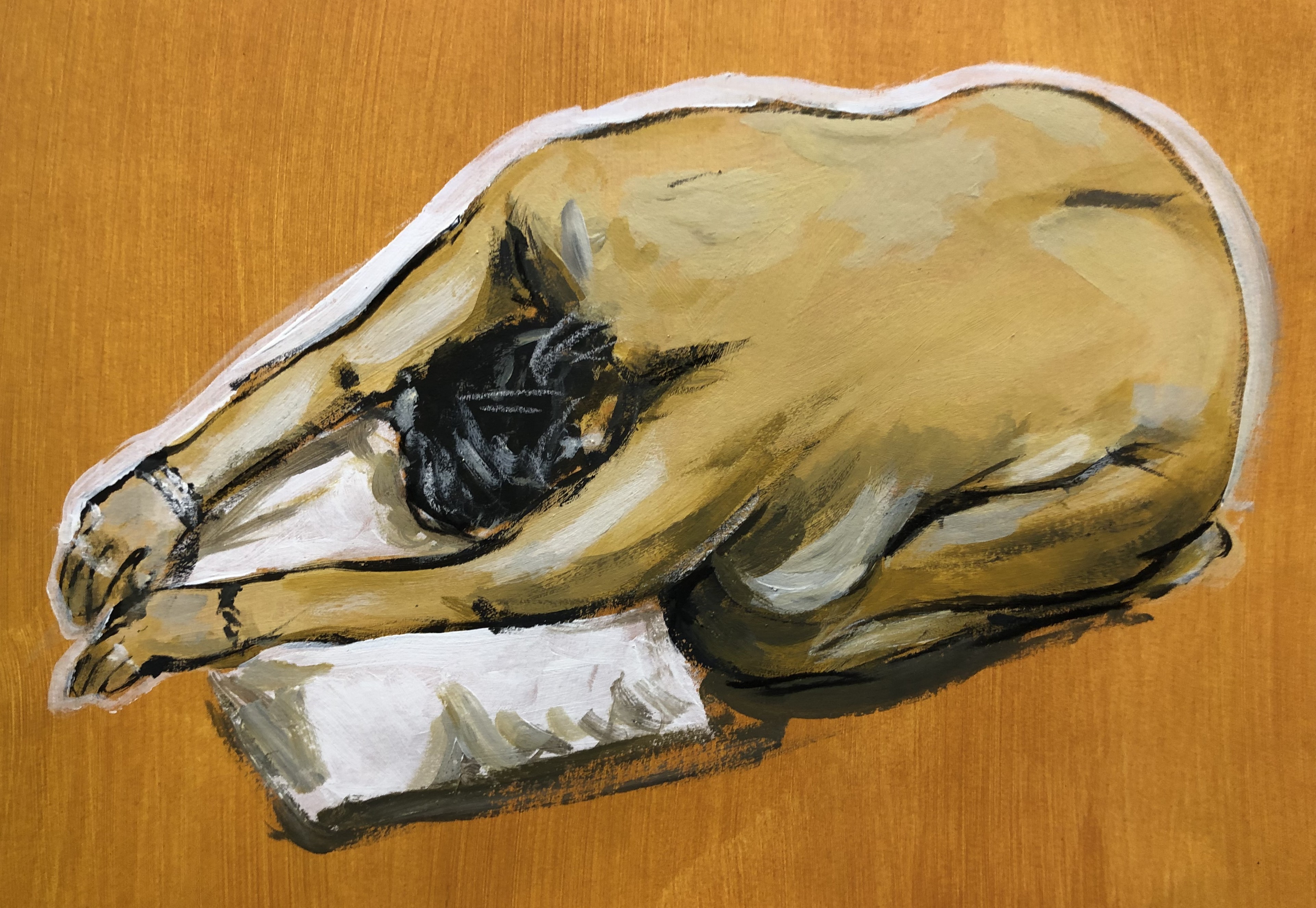
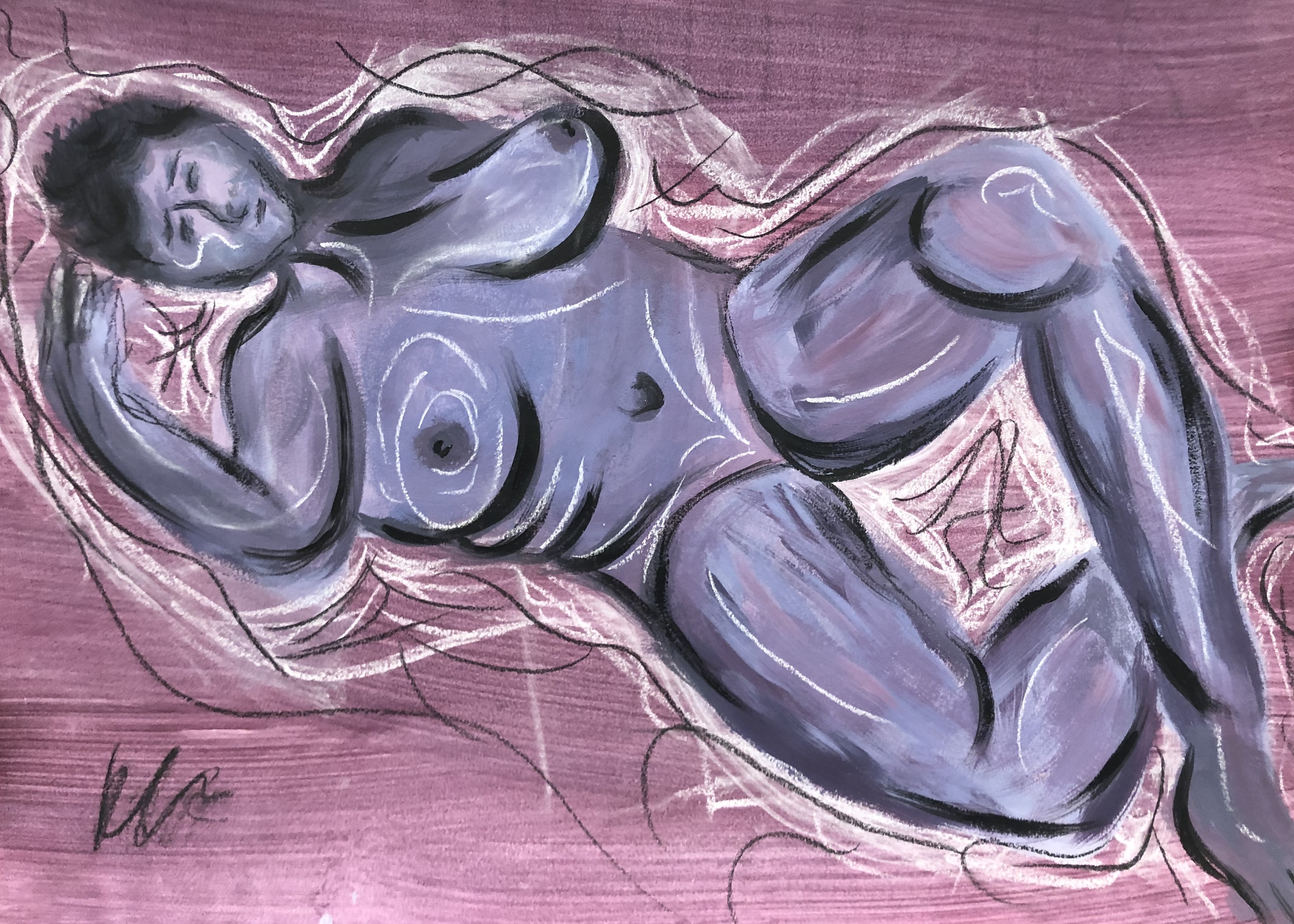
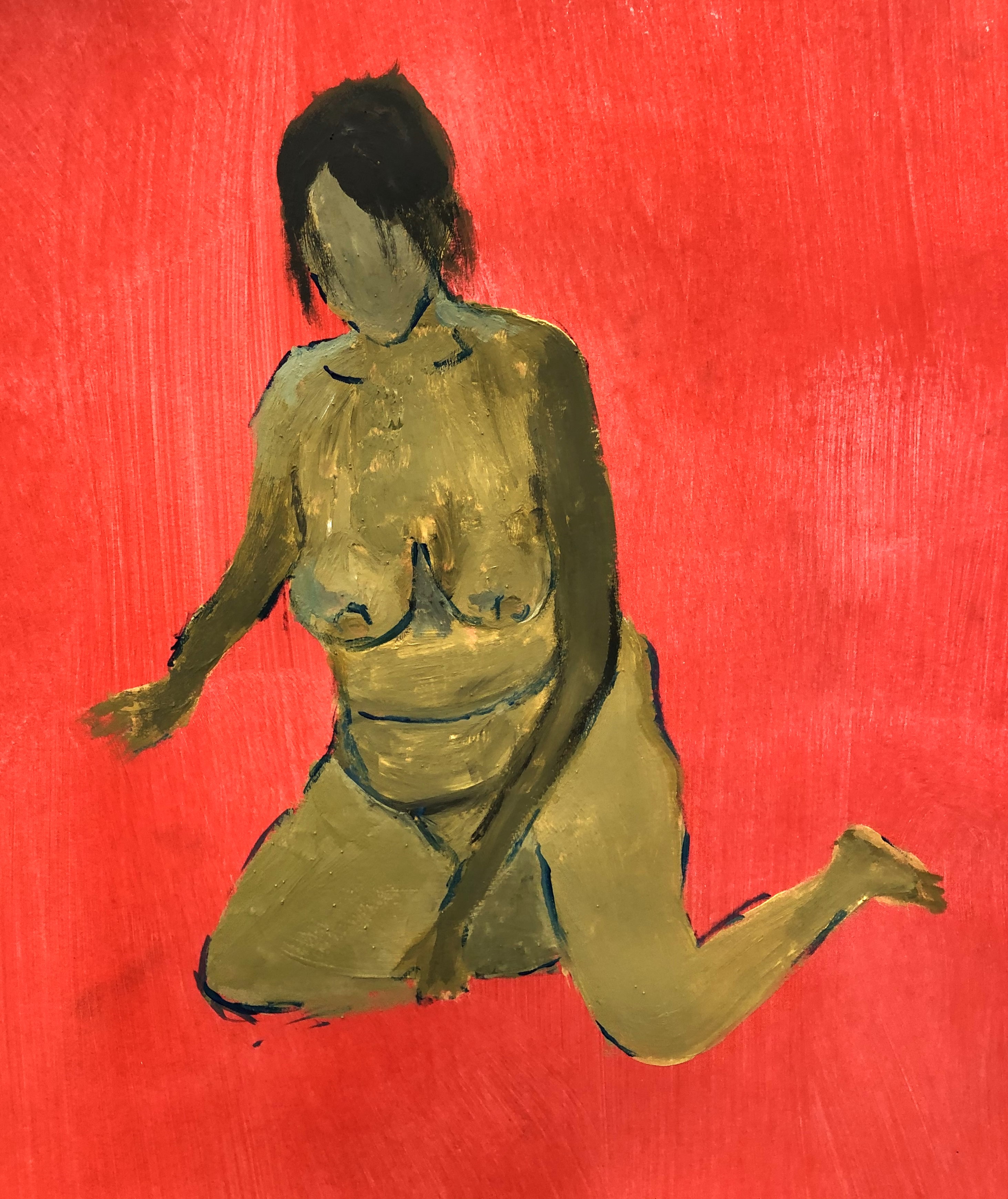
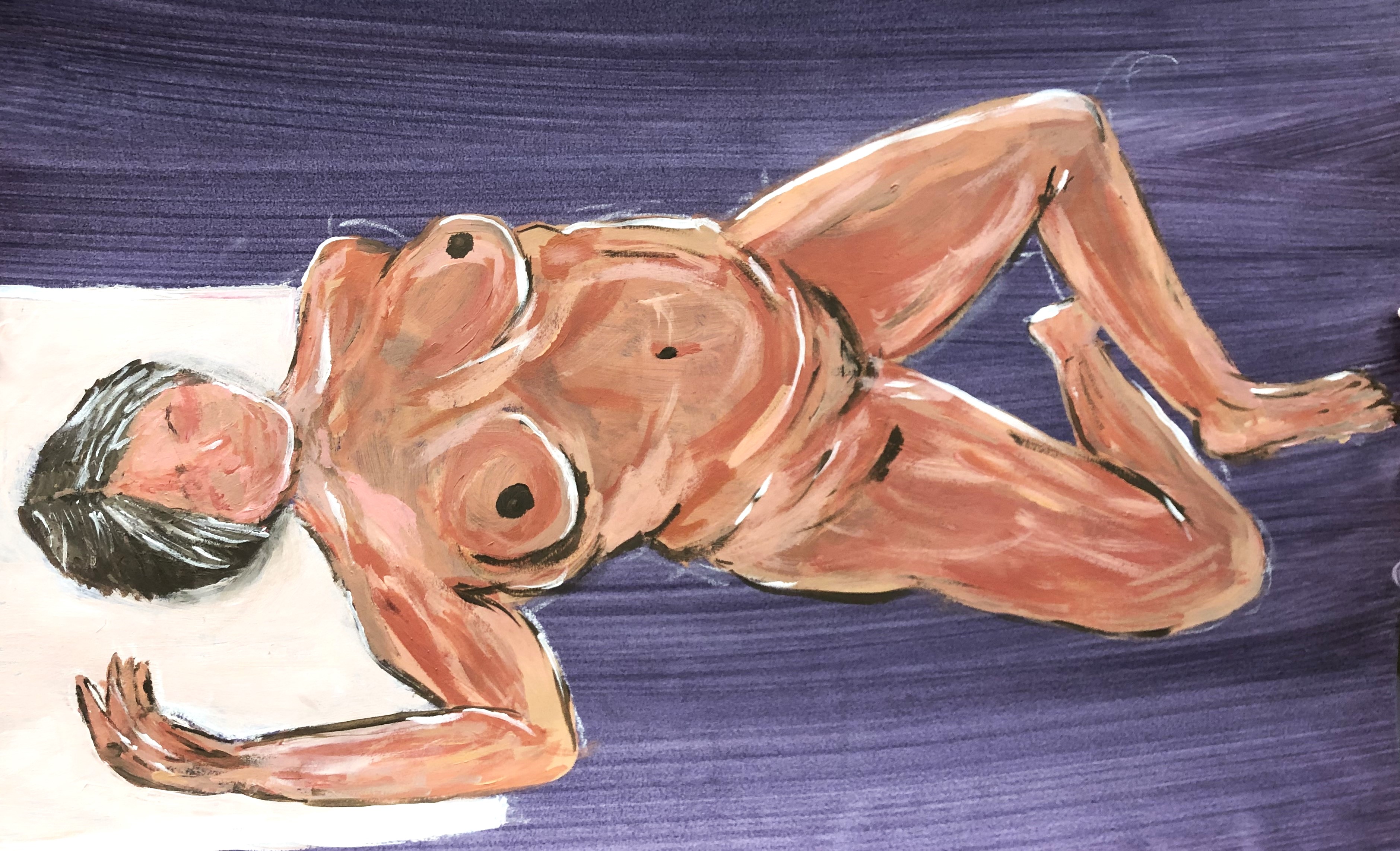
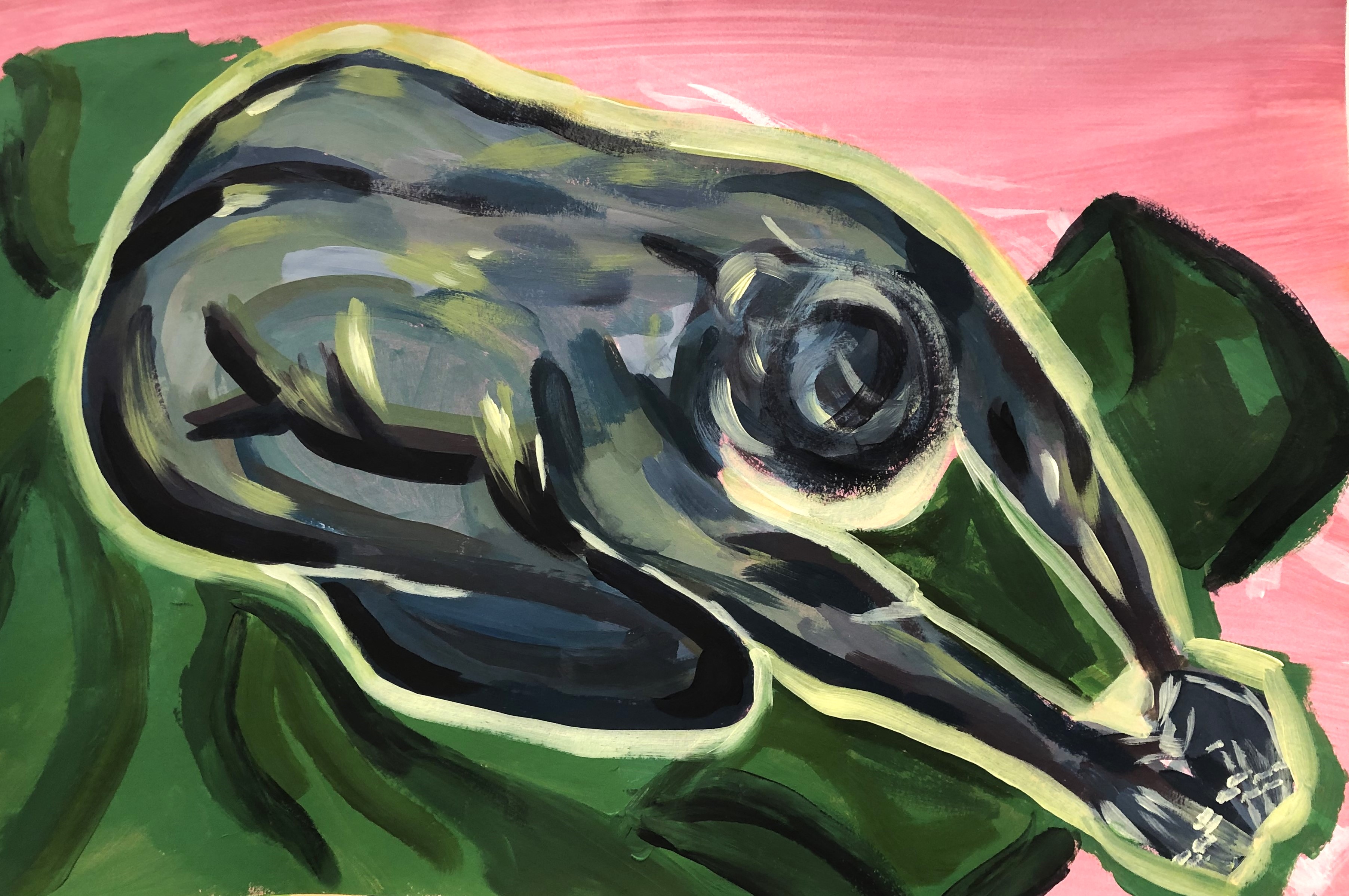
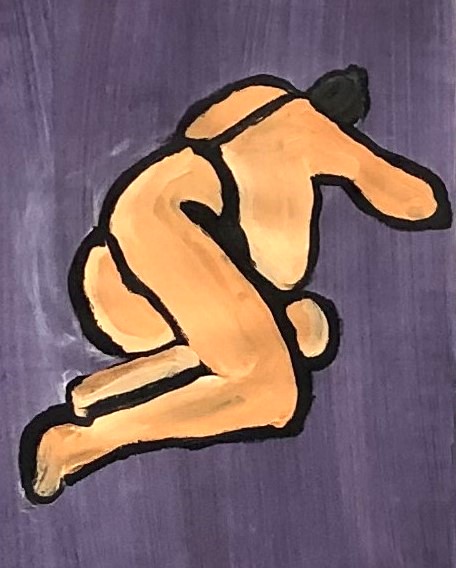
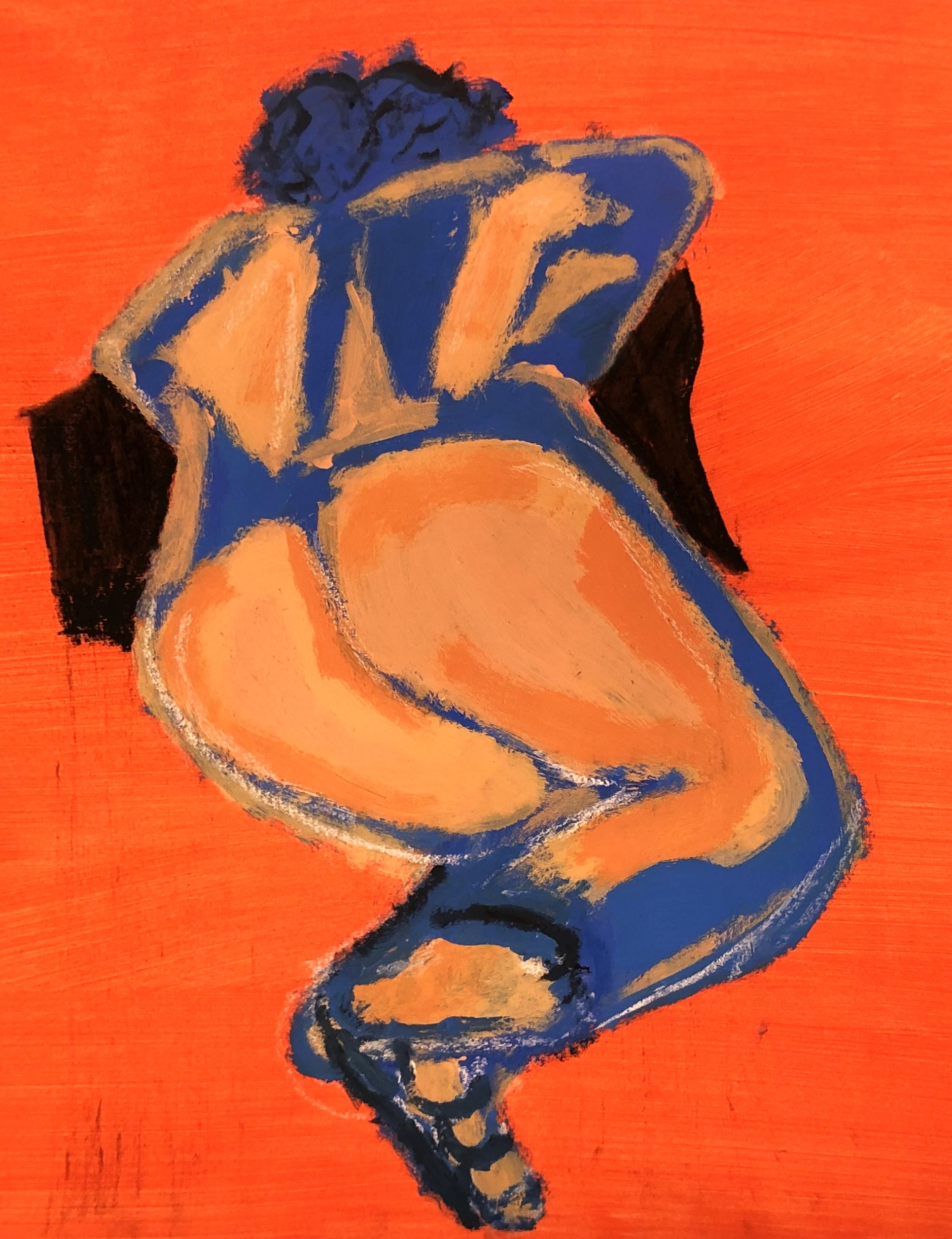
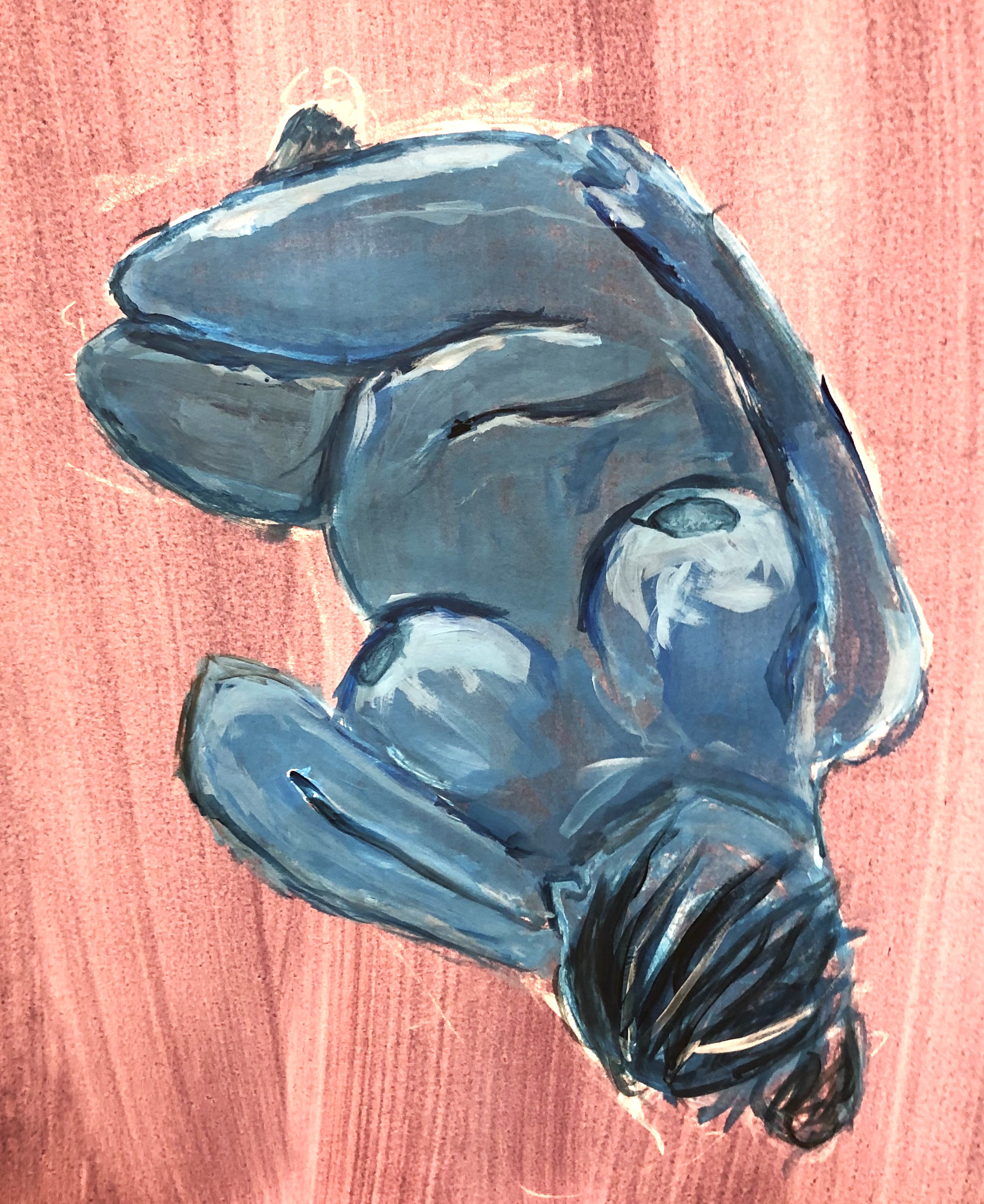
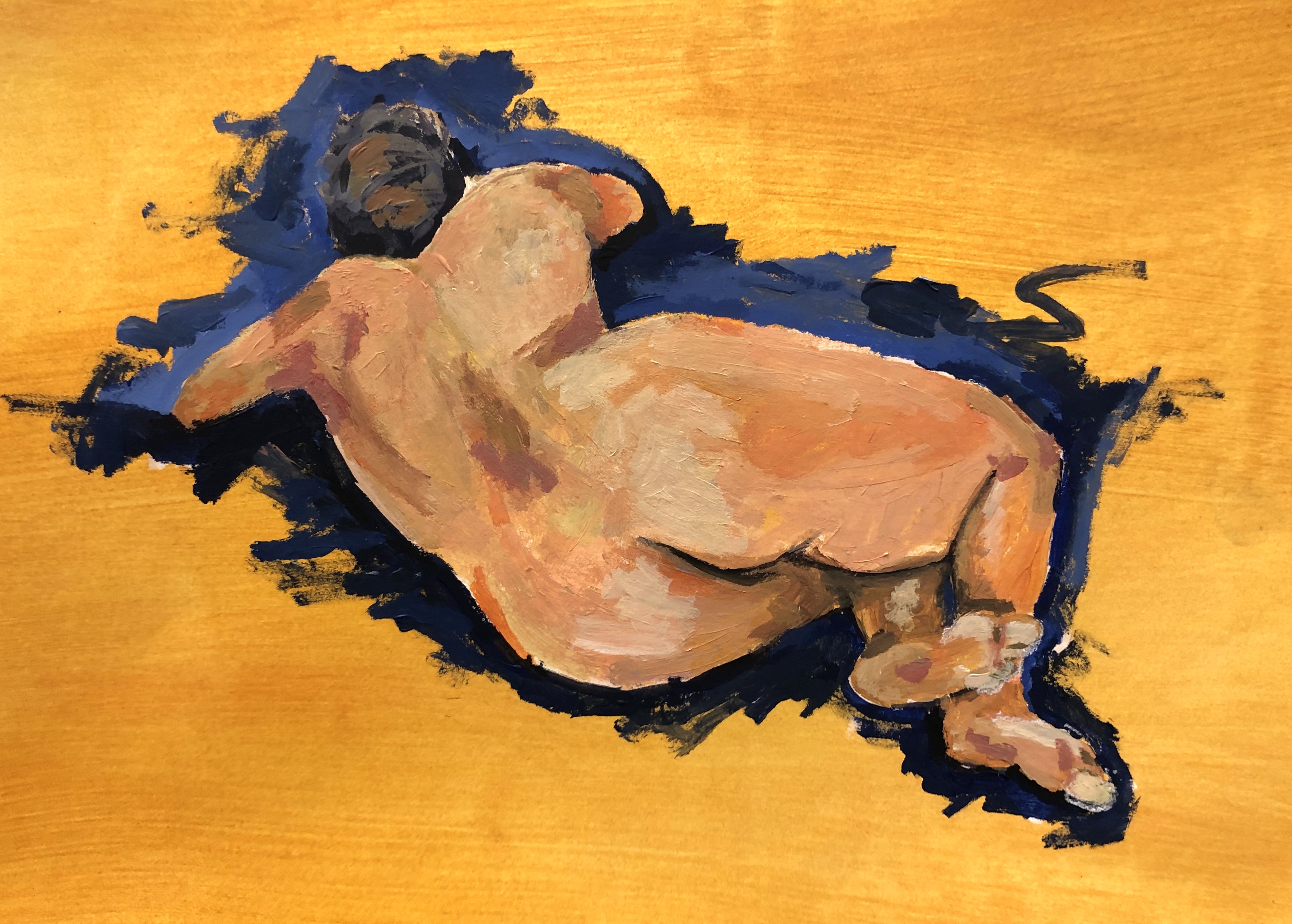
Here are some of the impressive results from this year’s workshop:
Screenshot
Below: Pupils pose with the work they produced individually over the course of the 2-day Steven Campbell Trust Workshop:






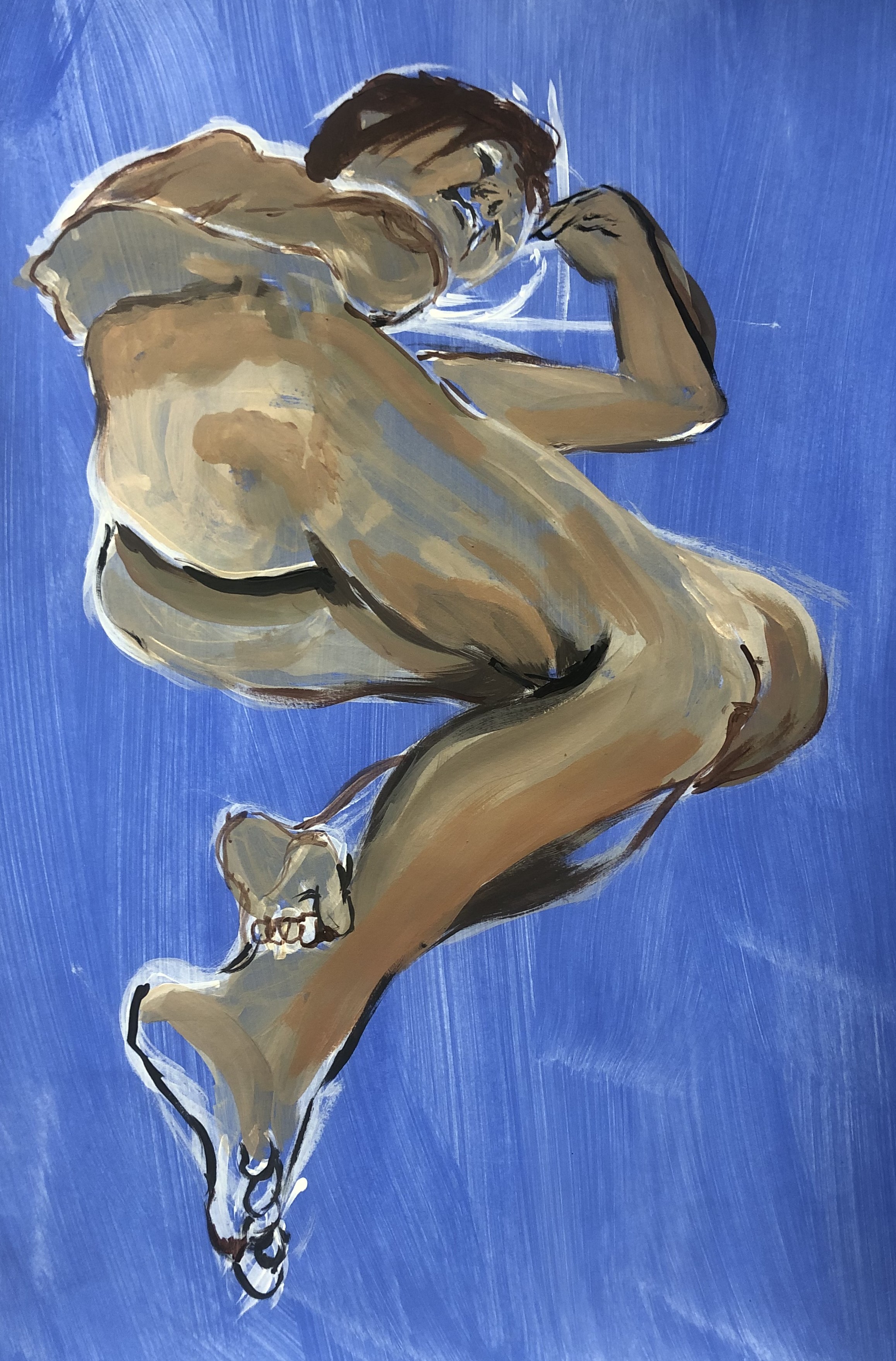
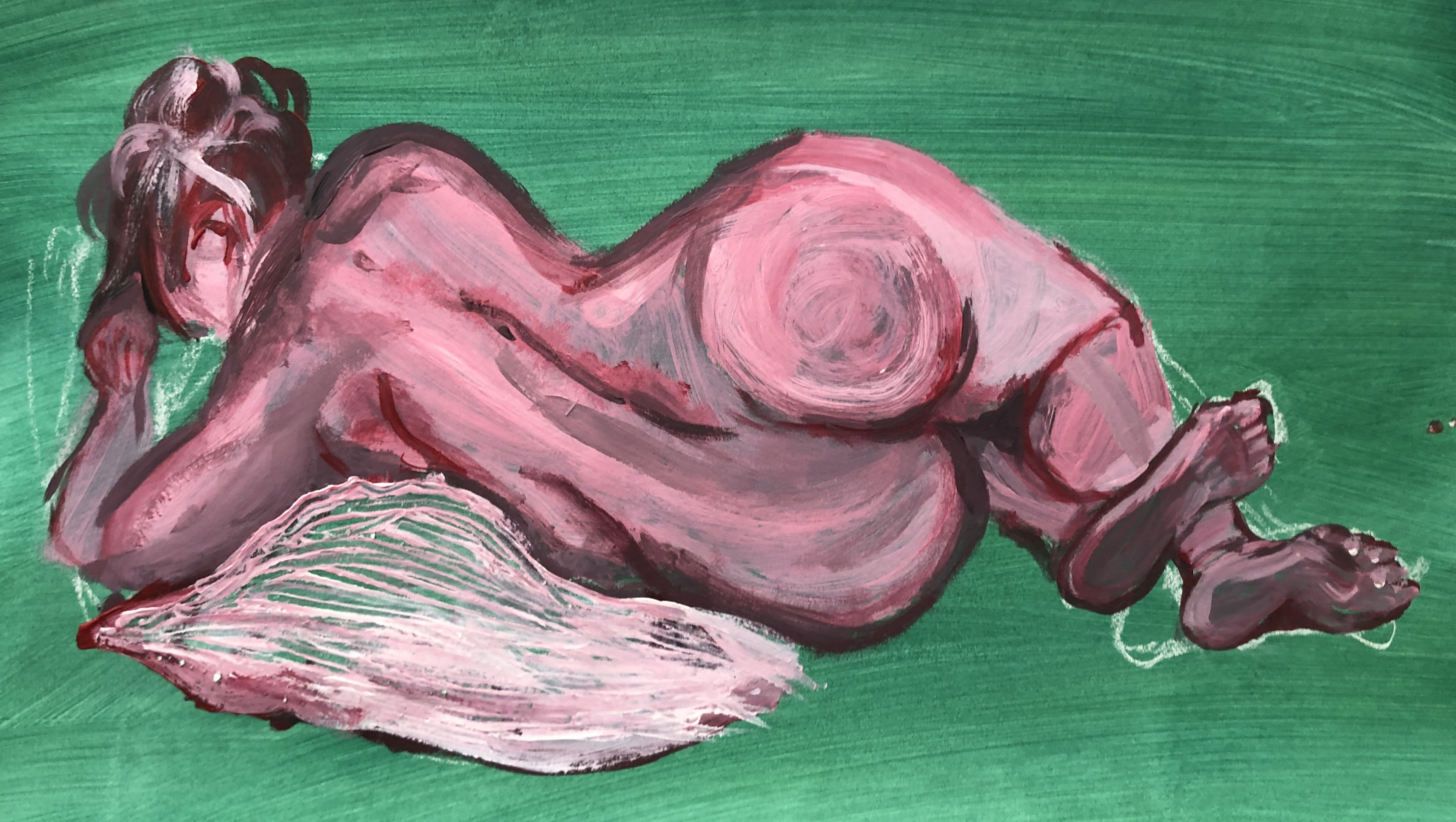
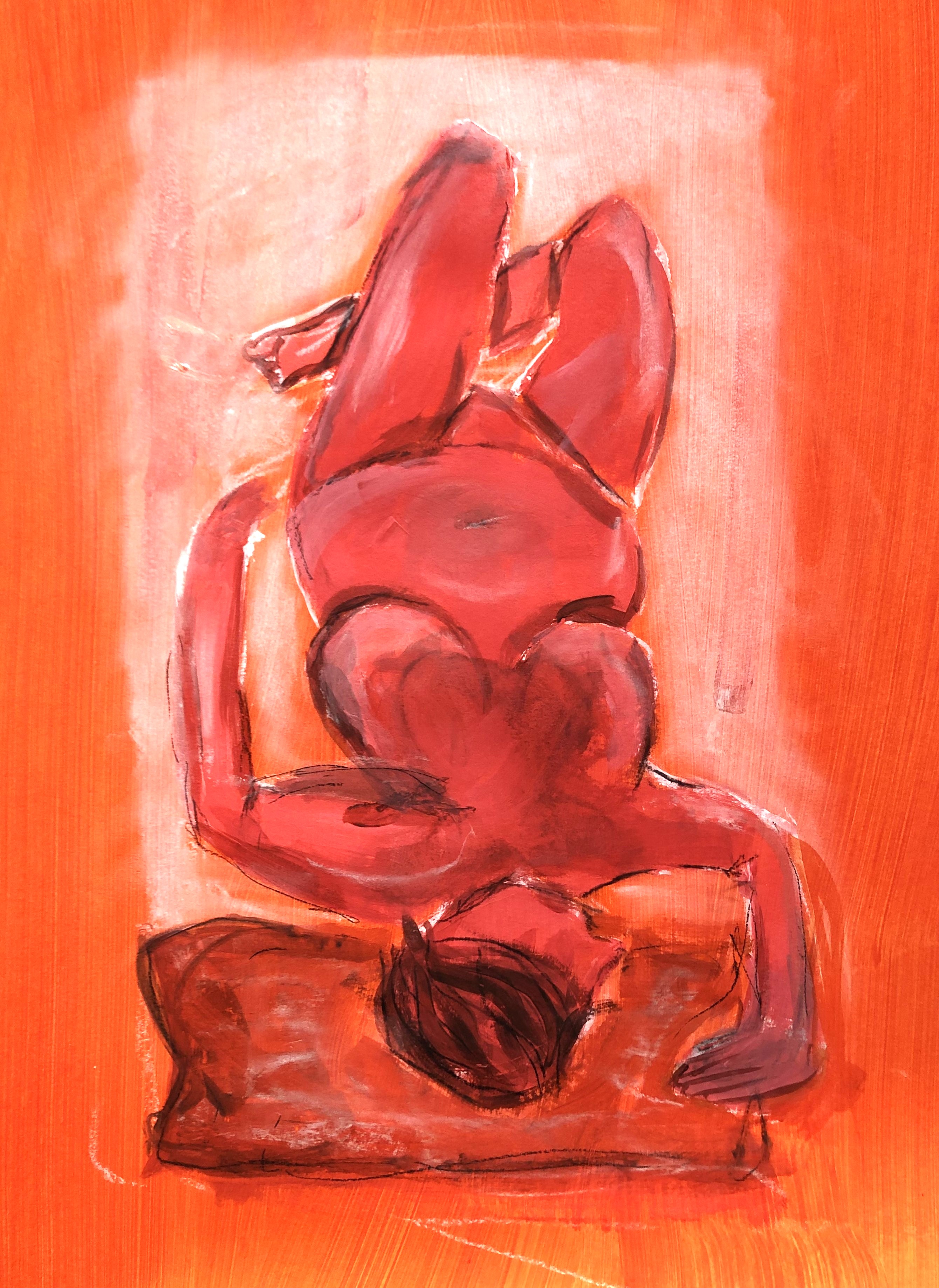
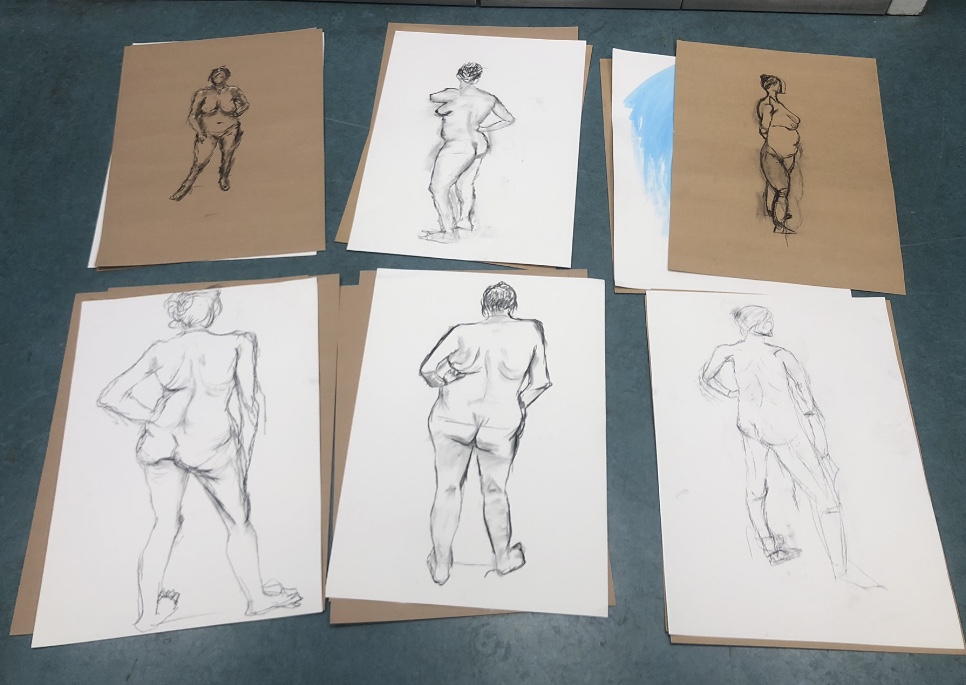














 The Steven Campbell Trust